What are Hair Vitamins, & Do They Work?
Table of Contents
Hair vitamins are dietary supplements specifically formulated to promote hair health, growth, and strength. These products typically come in capsules, gummies, or liquid form and contain a blend of essential nutrients, including vitamins, minerals, and antioxidants, intended to support the hair follicles and scalp from the inside out.
The central premise behind hair vitamins is that a person's diet may lack the necessary building blocks for optimal hair production. By supplementing these nutrients, the hair follicles, which are some of the fastest-growing cells in the body, receive the support needed to grow hair that is stronger, longer, and shinier. They often target common issues like hair loss, brittle or weak strands, slow growth, and dull texture.
It is important to understand that hair is primarily composed of a protein called keratin. Therefore, the most effective vitamins and minerals in these supplements are those that play a direct role in the production of keratin, collagen, or in maintaining the health of the scalp and hair follicle cells.
The effectiveness of these supplements is a subject of ongoing debate and scientific scrutiny. While they are a popular wellness trend, their true value often depends on an individual's existing nutritional status, meaning they are most likely to work for those who have an underlying nutritional deficiency.
The Science Behind Hair Growth
Hair growth occurs in a cyclical pattern with four main phases: Anagen (Growth Phase, which can last several years), Catagen (Transitional Phase, lasting a few weeks), Telogen (Resting Phase, lasting a few months), and Exogen (Shedding Phase). Healthy hair requires a steady supply of energy and nutrients to sustain the rapid cellular turnover in the hair follicle bulb during the anagen phase.
Essential micronutrients—vitamins and minerals—act as cofactors in the enzymatic steps required for hair matrix cell proliferation. A deficiency in any of these key elements can disrupt the normal hair cycle, leading to the early transition of follicles into the resting or shedding phases, resulting in noticeable thinning or hair loss.
Therefore, hair supplements are designed to provide these critical nutrients, aiming to prolong the growth phase, reduce oxidative stress on the hair follicles, and ensure the structural integrity of the hair shaft is maintained by supporting the production of keratin and collagen.
Key Ingredients Found in Hair Formulas
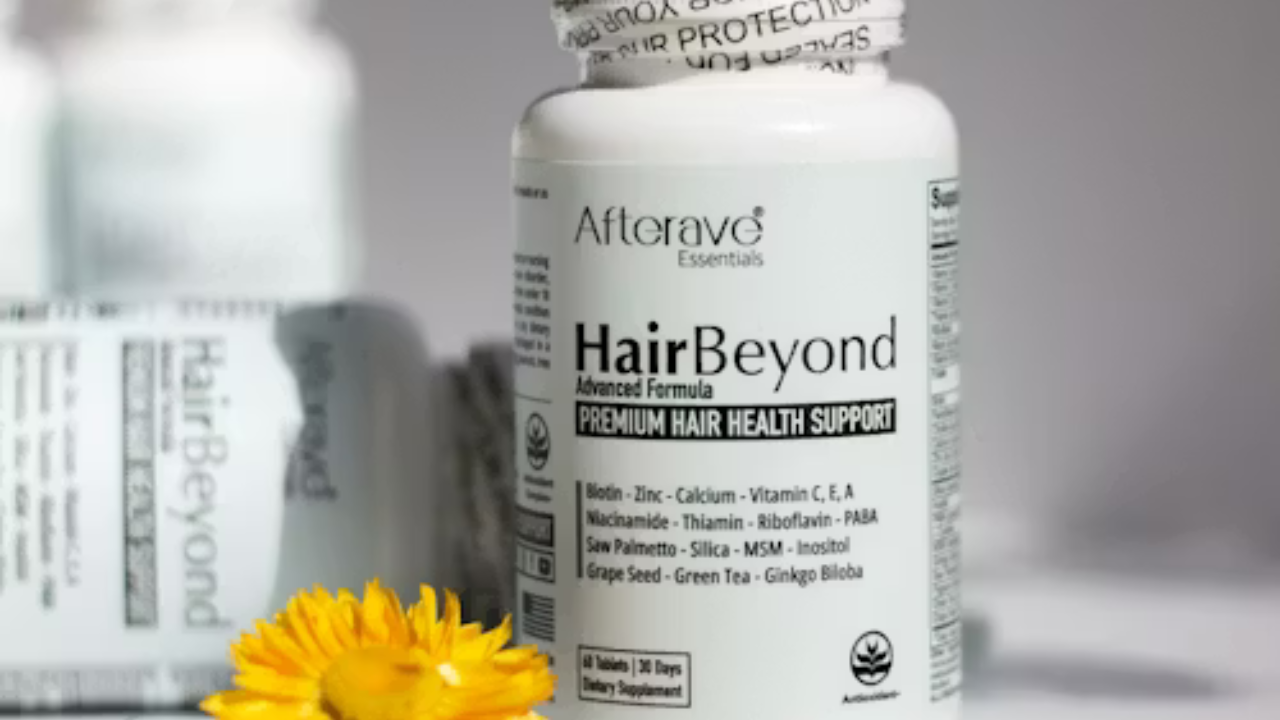
Most hair growth supplements feature a core set of ingredients known for their involvement in cellular metabolism, protein synthesis, and antioxidant protection. Understanding the role of each can help determine the potential benefit of a product.
The efficacy of these ingredients is typically supported by their established biological function, but their effect as a supplement is often conditional on a pre-existing deficiency.
Here are some of the most common and important ingredients:
- Biotin (Vitamin B7): Often called the "hair vitamin," it is a water-soluble B-vitamin that aids in the production of keratin, the protein that makes up hair. Deficiency is rare but can cause hair loss.
- Iron: Essential for producing hemoglobin, which transports oxygen to the hair follicles. Iron deficiency (anemia) is a common, treatable cause of hair loss, particularly in women.
- Vitamin C: A powerful antioxidant that helps protect hair from oxidative stress and is a crucial cofactor in the body's production of collagen, a structural protein important for hair structure.
- Vitamin A: Needed for cell growth, including hair cells, and helps the scalp produce sebum, the natural oil that keeps hair conditioned and healthy. Too much, however, can cause hair loss.
- Vitamin D: Low levels have been linked to various forms of hair loss, including alopecia. It plays a role in hair follicle cycling and regeneration.
- Zinc: Plays a role in hair tissue growth and repair, helps maintain the oil glands around the follicles, and may help regulate DHT (a hormone linked to hair loss).
- Collagen: Provides amino acids, the building blocks of hair. Supplementing may improve elasticity and structure, especially as the body's natural collagen production declines with age.
- B-Complex Vitamins (B5, B9-Folic Acid, B12): These vitamins support healthy cell metabolism and energy production, which is vital for the rapidly dividing cells in the hair follicle.
- Omega-3 Fatty Acids: Important fats that support overall scalp health and hydration, found in oily fish and certain seeds.
- Selenium: An essential trace element that protects the hair follicle from oxidative damage.
Other ingredients commonly found may include herbal extracts like Saw Palmetto, which is sometimes used for its potential to inhibit the hormone DHT that causes male-pattern baldness, and Ashwagandha, an adaptogen used to help lower stress-induced hair shedding.
The synergy between nutrients is also a key factor; for instance, Vitamin C enhances the absorption of Iron, making combination formulas potentially more effective for those with iron-related hair loss.
However, it is vital to check the dosage, as many supplements contain mega-doses far exceeding the Recommended Daily Allowance (RDA), which can sometimes lead to nutrient imbalances.
Do Hair Vitamins Actually Work? The Evidence
The simple answer to whether hair vitamins work is: it depends on the individual's nutritional status.
For people who have a diagnosed nutritional deficiency (such as low Iron, Vitamin D, or Biotin) that is contributing to their hair thinning or loss, supplements can be highly effective. In these cases, the supplement is simply restoring the necessary raw materials the body needs to function, leading to a noticeable improvement in hair health and regrowth.
Conversely, for healthy individuals who already consume a balanced diet and are not deficient in any major nutrients, there is limited scientific evidence to show that taking extra vitamins will significantly accelerate hair growth or prevent natural hair loss. Hair growth is primarily dictated by genetics, age, and hormones.
While anecdotal evidence and marketing claims are abundant, large-scale, double-blind, placebo-controlled clinical trials proving the efficacy of general hair supplements in otherwise healthy people are scarce. Most studies that show positive results involve subjects who were deficient to begin with.
Biotin is a prime example: studies suggest it improves hair and nail growth only in people with an underlying biotin deficiency or a rare disorder like uncombable hair syndrome. Without a deficiency, extra biotin is generally flushed out of the body as it is water-soluble, and no major benefits are seen.
Ultimately, a medical professional can determine if a deficiency exists through blood tests, making professional guidance the key first step before starting any supplementation regimen.
In summary, hair vitamins are not a miracle cure for genetic or hormonal hair loss, but they serve as a powerful tool to address hair issues caused by poor nutrition or dietary gaps.
A healthy, well-balanced diet remains the most effective and safest way to ensure your body, including your hair, receives the nutrients it needs.
Potential Risks and Side Effects
While generally considered safe when taken as directed, high-dose hair vitamins, which are common, can pose several potential risks and side effects:
Nutrient Overdose (Hypervitaminosis): Fat-soluble vitamins, like Vitamin A and Vitamin E, can accumulate in the body and become toxic in excessive amounts. Overdosing on Vitamin A, for instance, is a known cause of hair loss. Overdosing on other nutrients like Selenium and Zinc can also lead to adverse effects, including digestive issues or even nerve damage in rare, extreme cases.
Interference with Lab Tests: High doses of Biotin (Vitamin B7) are known to interfere with certain blood tests, leading to inaccurate results for markers related to thyroid function, heart health, and certain hormone levels. It is critical to inform your doctor about any biotin supplements you are taking, as they may ask you to stop a few days before a blood draw.
Digestive Distress and Allergic Reactions: Supplements containing high doses of Iron can cause gastrointestinal issues like constipation or an upset stomach. Furthermore, some ingredients, such as fish collagen, dyes, or preservatives, may trigger allergic reactions in sensitive individuals, ranging from mild hives to severe anaphylaxis.
Choosing the Right Supplement for You
Choosing a hair vitamin should be a deliberate process rather than a random selection based on marketing:
Consult a Professional: The most crucial step is to consult a dermatologist or healthcare provider. They can perform blood work to identify any specific nutrient deficiencies contributing to your hair problem.
Look for Quality and Regulation: Since dietary supplements are not strictly regulated by the FDA (in the U.S.) for safety and effectiveness before they are sold, look for products that have been tested by a third-party organization (such as NSF International or USP) to confirm ingredient purity and accurate dosing.
Check Dosage: Be wary of supplements with mega-doses (e.g., thousands of times the RDA). For non-deficient individuals, this is usually unnecessary and potentially harmful. Focus on supplements that address your specific needs identified by a doctor.
For most people, focusing on a healthy, protein-rich diet, managing stress, and using gentle hair care products are far more impactful than adding a supplement to a healthy lifestyle.
Frequently Asked Questions about Hair Vitamins
Can hair vitamins cause weight gain?
Hair vitamins themselves do not typically contain enough calories to cause weight gain. They are primarily composed of vitamins and minerals.
However, some formulations may include ingredients like sugars (in gummies) or fillers. Any mild weight changes are most likely due to a change in diet, exercise, or water retention rather than the supplements themselves.
Is Biotin the best hair vitamin?
Biotin is the most popular, but not necessarily the "best," unless you have a confirmed deficiency. Biotin is vital for keratin production.
However, deficiencies in other nutrients like Iron, Vitamin D, or Zinc are much more common causes of hair loss and may require targeted supplementation to see a true improvement.
How long does it take for hair vitamins to show results?
Since hair growth is a slow process, results from hair vitamins are not immediate. Hair typically grows only about half an inch per month.
It usually takes a minimum of 3 to 6 months of consistent use to see noticeable changes in hair length, thickness, or overall health, as the supplement must support an entire new growth cycle.
Can taking too many hair vitamins be dangerous?
Yes, taking excessive doses, particularly of fat-soluble vitamins (A, D, E, K) or certain minerals (Iron, Selenium), can be harmful and may even cause side effects like hair loss, nerve damage, or liver toxicity.
Always follow the recommended dosage on the label or, preferably, the specific guidance of a healthcare professional based on your individual needs.
How we reviewed this article:
Our team continually monitors and updates articles whenever new information becomes available.
Written By
The Healtharticles Editorial Team
Medically Reviewed By
Ian Nathan, MBChB