Tips for Parents on How to Help a Child with ADHD
Attention-Deficit Hyperactivity Disorder (ADHD) is a neurodevelopmental condition that affects attention, impulse control, and activity levels. Parenting a child with ADHD can feel overwhelming, especially when traditional discipline strategies do not seem to work. Understanding how ADHD affects behavior is the first step toward providing effective and compassionate support.
Children with ADHD are not intentionally misbehaving. Their brains process information, motivation, and self-control differently. The strategies below focus on practical, evidence-informed approaches that help children thrive while reducing stress for parents and caregivers.
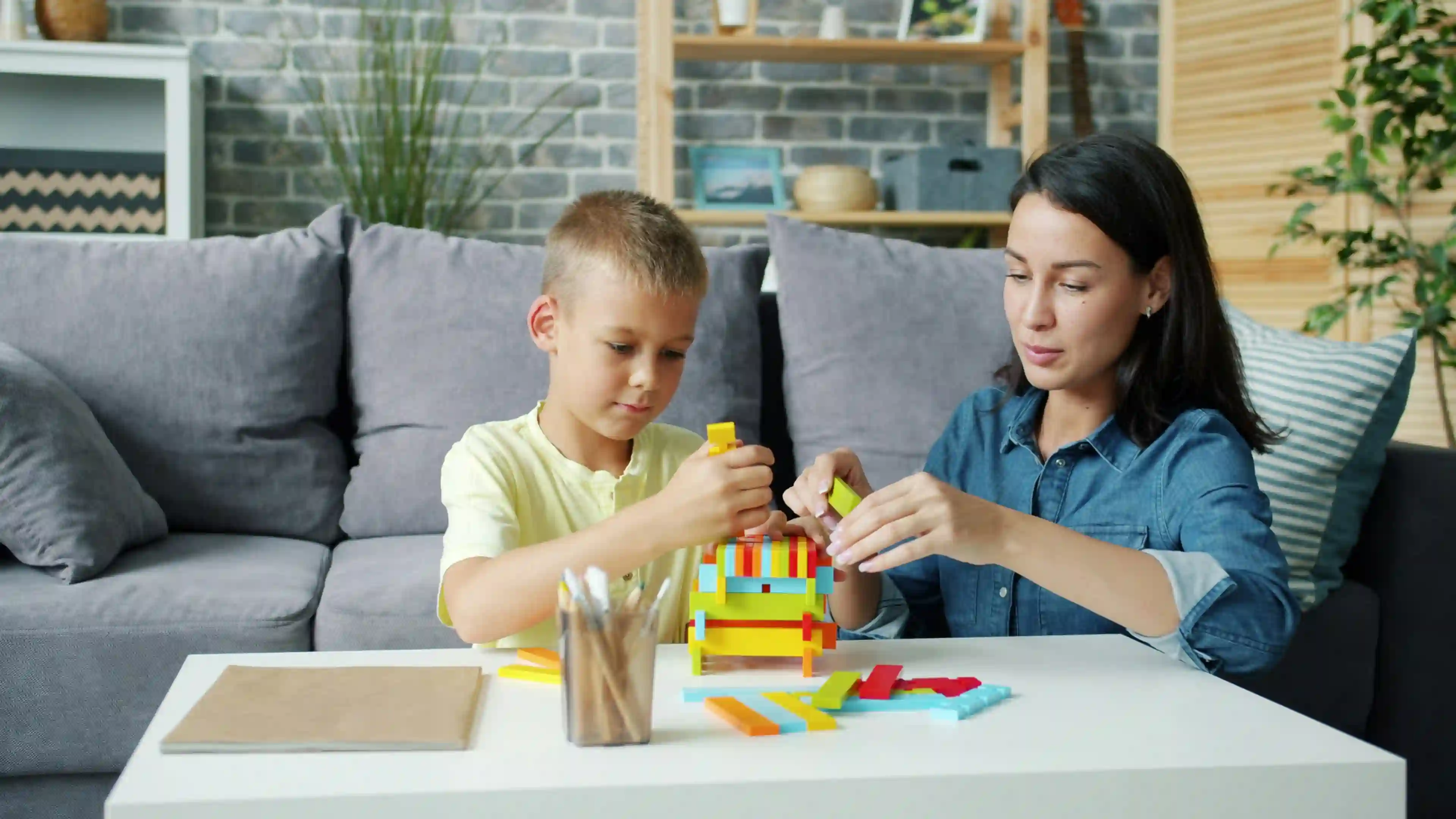
Acceptable behaviors
Clearly defining what behaviors are acceptable helps children with ADHD understand expectations. Because impulse control can be challenging, children often need explicit guidance rather than assumptions.
Focus on teaching rather than punishing. When expectations are clear and consistently reinforced, children are more likely to succeed. Emphasize what your child should do instead of only pointing out mistakes.
Use calm explanations and model appropriate behavior yourself. Repetition is essential, as children with ADHD may need reminders more frequently than their peers.
Define the rules
Rules should be simple, specific, and visible. Long lists of rules can overwhelm a child with ADHD and reduce compliance.
Effective rules are:
- Short and clearly worded
- Stated in positive language when possible
- Consistently enforced
Posting rules where your child can see them, such as on the fridge or bedroom wall, provides ongoing reinforcement and reduces the need for repeated verbal reminders.
Manage aggression
Aggressive behavior may occur when a child with ADHD feels overwhelmed, frustrated, or unable to regulate emotions. Addressing aggression requires calm, firm responses rather than reactive punishment.
Key strategies include:
- Removing the child from overstimulating situations
- Teaching emotion labeling and coping skills
- Using time-outs as calming periods, not punishments
After emotions settle, discuss what happened and explore better responses for the future.
Create structure
Predictable routines help children with ADHD feel secure and reduce anxiety. Structure supports executive functioning skills such as planning and organization.
Consistent daily routines for waking up, meals, homework, play, and bedtime provide a reliable framework. Visual schedules can be especially helpful.
When changes are unavoidable, prepare your child in advance to reduce emotional reactions.
Break up tasks
Large tasks can feel unmanageable to a child with ADHD. Breaking tasks into smaller, achievable steps improves focus and motivation.
For example, instead of saying clean your room, try: pick up clothes, then books, then toys. Praise completion of each step.
Small wins build confidence and encourage persistence.
Simplify
Simplifying instructions and environments reduces cognitive overload. Give one instruction at a time and confirm understanding.
Reduce clutter in key areas such as study spaces to support concentration and task completion.
Limit distractions
Children with ADHD are highly sensitive to external stimuli. Minimizing distractions improves attention and learning.
Turn off televisions, limit background noise, and keep work areas visually calm during homework or focused activities.
Encourage exercise
Regular physical activity helps regulate mood, attention, and energy levels. Exercise can improve focus for several hours afterward.
Encourage activities your child enjoys, such as cycling, swimming, or team sports, rather than forcing structured workouts.
Sleep routines
Sleep difficulties are common in children with ADHD. Consistent bedtime routines support better sleep quality.
Aim for age-appropriate sleep durations and avoid screens at least 60 minutes before bedtime.
Out-loud thinking
Modeling out-loud thinking teaches children how to plan and problem-solve. Verbalize steps as you complete tasks.
This strategy helps children internalize organizational skills over time.
Wait time
Children with ADHD may need extra time to process instructions. Pause after giving directions before repeating them.
This reduces frustration and promotes independence.
Encouragement
Positive reinforcement is one of the most effective tools for managing ADHD behaviors.
Specific praise such as I like how you started your homework right away reinforces desired actions.
Professional counseling
Professional support can provide children and parents with coping strategies and behavioral tools.
Behavioral therapy, parent training programs, and school-based interventions are commonly recommended.
Take breaks
Parents also need rest. Taking breaks helps maintain patience and emotional balance.
Calm yourself
Children often mirror adult emotions. Staying calm helps de-escalate difficult situations.
Be flexible
Flexibility allows parents to adjust expectations based on a childs capacity and circumstances.
Takeaway
Supporting a child with ADHD requires patience, structure, and empathy. With consistent strategies and appropriate support, children with ADHD can thrive academically, socially, and emotionally.
Frequently Asked Questions about Helping a Child with ADHD
Is ADHD caused by poor parenting?
ADHD is a neurodevelopmental condition with biological and genetic influences.
Parenting style does not cause ADHD, although supportive strategies can greatly influence outcomes.
Should children with ADHD be disciplined differently?
Children with ADHD benefit from consistent, structured discipline.
Positive reinforcement and clear expectations are more effective than harsh punishment.
Can diet changes cure ADHD?
No specific diet cures ADHD, but balanced nutrition supports overall brain health.
Some children may benefit from individualized dietary adjustments.
When should professional help be considered?
Professional help is recommended when symptoms significantly affect daily functioning.
Early intervention often leads to better long-term outcomes.
How we reviewed this article:
Our team continually monitors and updates articles whenever new information becomes available.
Written By
Ian Nathan, an MBChB Candidate, and the Healtharticles Editorial Team
Medically Reviewed By
Ian Nathan, an MBChB Candidate