20 Foods to Eat on the Keto Diet
Table of Contents
The ketogenic (keto) diet requires a significant shift in macronutrient consumption, emphasizing very low carbohydrates, moderate protein, and high fat. The goal is metabolic ketosis, where the body efficiently burns fat for fuel. To successfully navigate the keto lifestyle, selecting the right foods is crucial for maintaining ketosis while ensuring adequate nutrition and preventing the dreaded "keto flu."
This guide highlights 20 essential foods across key categories—proteins, fats, and low-carb produce—that form the foundation of a successful, satisfying, and nutritionally sound keto meal plan. Remember that adherence to the carbohydrate limit (typically 20-50 grams of net carbs per day) is paramount.
Animal Proteins
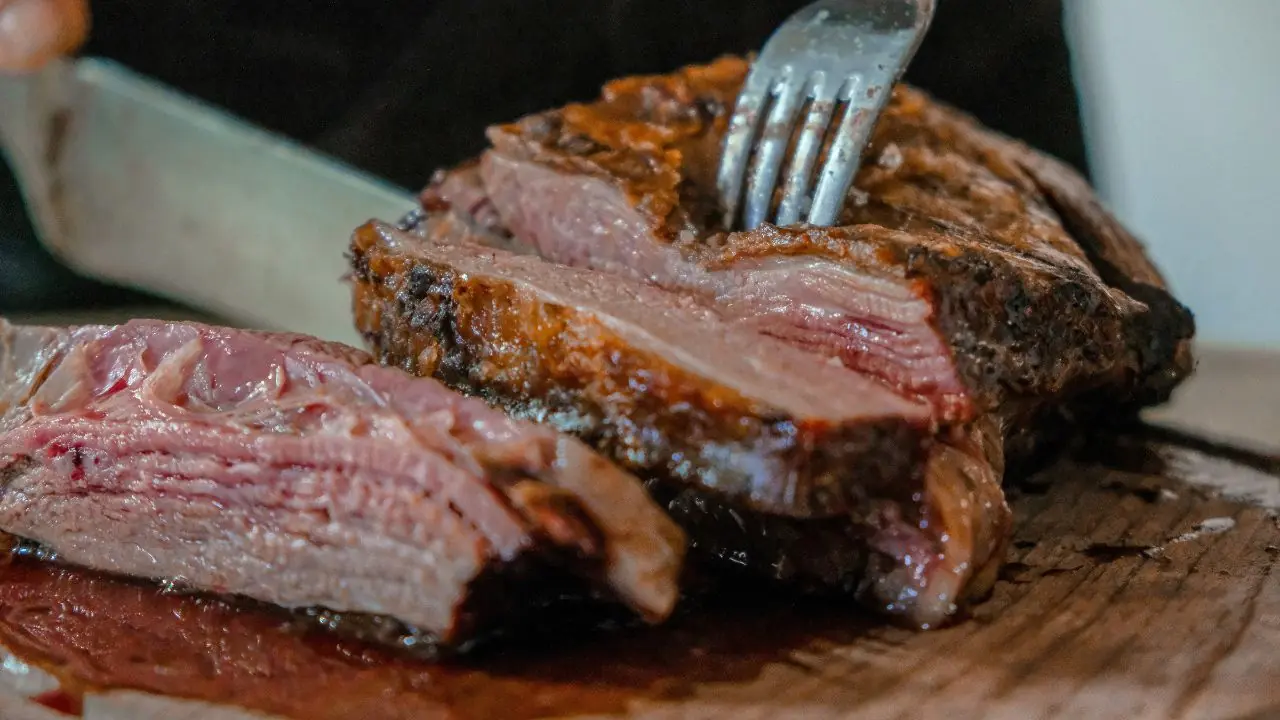
Animal proteins are excellent keto staples as they are generally carbohydrate-free. However, for keto, you should prioritize fattier cuts to help meet your high fat requirements. (5 foods)
- Fatty Beef Cuts: Foods like ribeye steak, short ribs, and 80/20 ground beef are ideal. These cuts provide high amounts of saturated and monounsaturated fats, along with essential micronutrients like iron and Vitamin B12.
- Fatty Fish: Salmon, sardines, and mackerel should be frequent choices. They deliver zero carbs and are rich sources of Omega-3 fatty acids (EPA and DHA), crucial for reducing inflammation and supporting brain health.
- Eggs: The incredible edible egg is a keto staple. They are high in protein and fat, and the yolks contain essential nutrients like choline and lutein. Eggs can be consumed at any meal and are excellent for quick satiety.
- Pork Products: Bacon, pork belly, and fattier chops are widely enjoyed. Always check labels for hidden sugars and cure ingredients, and opt for uncured, low-sugar varieties where possible.
- Organ Meats: Liver, heart, and kidney, while less common, are nutrient powerhouses. Liver, for example, is one of the densest natural sources of Vitamin A and folate, making it vital for avoiding common keto micronutrient deficiencies.
Dairy
Dairy must be chosen carefully, as milk and some soft cheeses contain lactose (a sugar). Focus on full-fat products that are either naturally low in carbs or have had the carbs processed out. (4 foods)
- Butter and Ghee: Pure fat sources that are perfect for cooking. Grass-fed butter contains higher levels of conjugated linoleic acid (CLA) and Vitamin K2.
- Heavy Cream: Essential for adding fat to coffee or sauces. It provides high fat content with minimal carbohydrates per serving, unlike milk.
- Hard Cheeses: Aged cheeses like cheddar, Gouda, and Parmesan have naturally low lactose content. They provide satisfying fat and are rich in calcium.
- Full-Fat Cream Cheese: A creamy, versatile source of fat that is perfect for spreading, baking keto desserts, or thickening sauces without adding carbs.
Veggies (The Low-Carb Foundation)
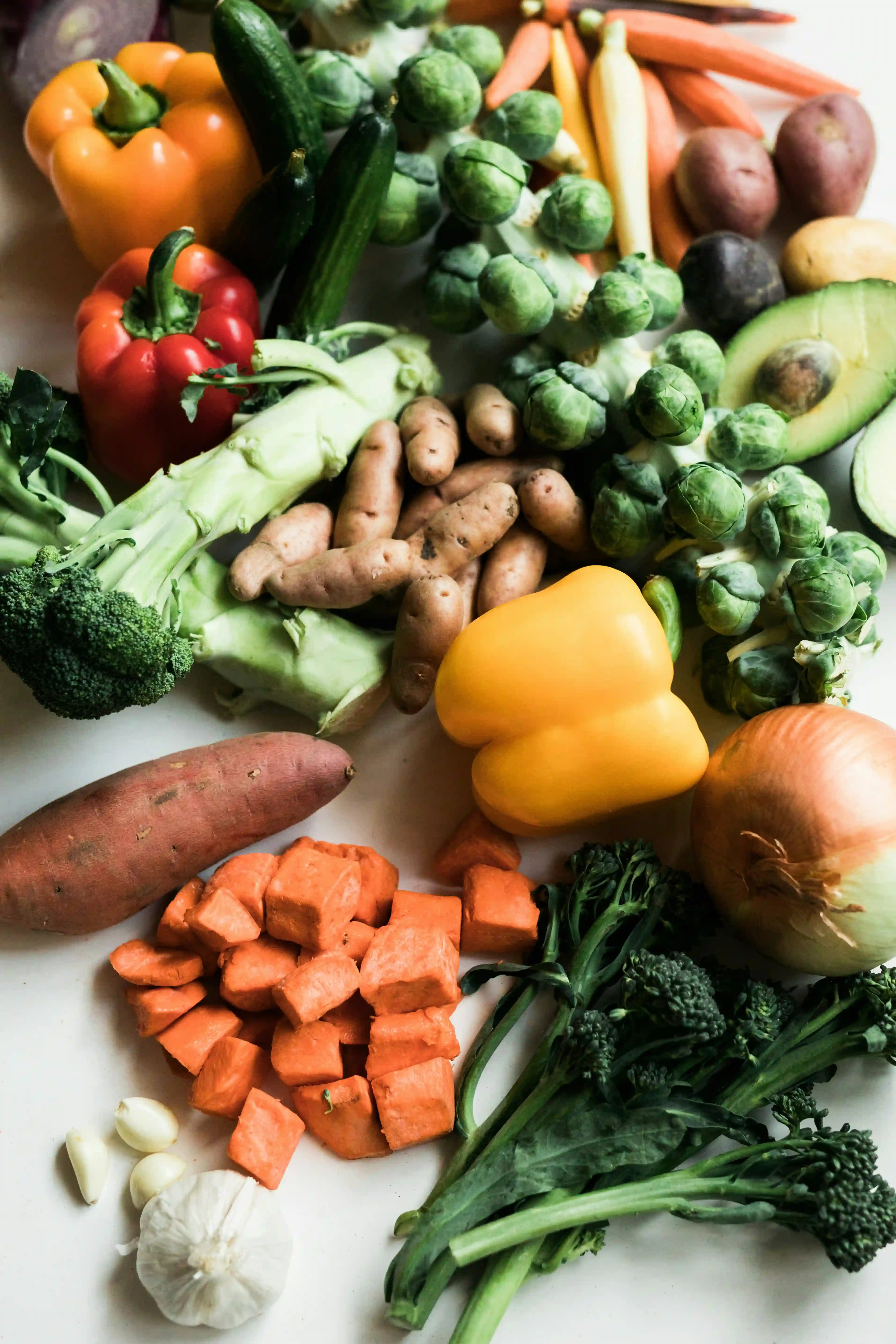
Vegetables provide fiber and micronutrients, but starchy varieties (potatoes, corn, carrots) must be avoided. Focus on non-starchy, above-ground vegetables. (5 foods)
- Leafy Greens: Spinach, kale, and romaine are incredibly low in net carbs and high in vital electrolytes like potassium and magnesium, essential for preventing the "keto flu."
- Cruciferous Vegetables (Broccoli and Cauliflower): These are staples. Cauliflower, in particular, is used extensively as a low-carb rice or potato substitute.
- Asparagus and Green Beans: Easy-to-prepare low-carb options rich in fiber and vitamins.
- Avocado: A technically a fruit, but a nutritional fat source. Avocados are rich in monounsaturated fats, fiber, and potassium.
- Zucchini and Summer Squash: Easily spiralized into "zoodles" or sliced thin as pasta sheet replacements. They are very low in net carbs and highly adaptable.
Other Plant Foods
These foods add texture, satiety, and healthy fats, but require careful portion control as their carb content can add up quickly. (4 foods)
- Olives: High in fat and rich in Vitamin E and antioxidants. They are a great salty snack that fits perfectly into the high-fat mandate.
- Low-Carb Berries: Small portions of raspberries, blackberries, and strawberries are the only fruits allowed. They are consumed for their antioxidants and Vitamin C content.
- Macadamia Nuts: The lowest-carb nut available, making it the preferred choice for keto snacking. Pecans are also highly recommended.
- Chia Seeds and Flaxseeds: Excellent sources of fiber and Omega-3 ALA. They are crucial for digestive health, helping to prevent constipation, a common issue on keto.
Fats (The Fuel Source)
Fats are your primary fuel and should constitute the bulk of your calorie intake (60 - 75%). Choosing high-quality, whole-food-based fats is crucial for cardiovascular health. (2 foods)
- Extra Virgin Olive Oil (EVOO): High in monounsaturated fats and polyphenols. Use it generously for salad dressings and finishing dishes.
- Coconut Oil and MCT Oil: Coconut oil is rich in medium-chain triglycerides. MCT oil (a concentrated form of these triglycerides) is particularly popular because it is rapidly converted into ketones, providing an efficient energy boost.
Drinks
Hydration is vital on keto, but all beverages must be sugar-free to avoid knocking you out of ketosis. (2 foods)
- Water: The most crucial drink. Aim for high intake, and consider adding electrolytes (salt) to prevent muscle cramps and dizziness.
- Bone Broth: An excellent drink, especially during the adaptation phase. It provides protein and is naturally rich in sodium and potassium, helping to replenish essential electrolytes.
Takeaway
Successfully following the ketogenic diet relies on disciplined adherence to the low-carb limit and a high intake of healthy fats. The 20 foods listed here should form the foundation of your diet, ensuring you receive adequate protein, fat, and micronutrients necessary for optimal health while in ketosis.
The biggest challenge is often electrolyte balance; therefore, prioritizing foods rich in potassium (avocados, leafy greens) and sodium (salted meats, bone broth) is key to feeling your best. By focusing on whole, unprocessed foods from this list, you can enjoy a satisfying and sustainable keto lifestyle.
Frequently Asked Questions about the Keto Diet
How many carbs are allowed on the Keto Diet?
To enter and maintain ketosis, most people need to limit their intake to between 20 and 50 grams of net carbohydrates per day. The precise limit varies by individual activity level and metabolism, so careful tracking is required during the initial phase.
Can I eat processed keto snacks and packaged foods?
While many packaged "keto-friendly" products are available, the best practice is to focus on whole, unprocessed foods like meats, eggs, avocados, and non-starchy vegetables. Processed snacks often contain questionable ingredients, artificial sweeteners, or high amounts of sugar alcohols that can still cause digestive distress or slow ketone production.
Will the Keto Diet raise my cholesterol levels?
Cholesterol response is highly individual on the keto diet. Some people see an improvement in their overall lipid profile (lower triglycerides, higher HDL). Others, however, may see an increase in LDL cholesterol. Due to the high saturated fat intake, it is critical to consult a doctor and monitor blood lipid panels regularly when following the diet.
Is alcohol allowed on the Keto Diet?
Alcohol is generally restricted, but zero-carb options like dry spirits (vodka, rum, gin) are allowed when consumed neat or with zero-carb mixers (like sparkling water). Beer and sweet wines are forbidden due to their high carbohydrate content. Remember that the body prioritizes burning alcohol before fat, temporarily halting ketosis.
How we reviewed this article:
Our team continually monitors and updates articles whenever new information becomes available.
Written By
Ian Nathan, an MBChB Candidate, and the Healtharticles Editorial Team
Medically Reviewed By
Ian Nathan, an MBChB Candidate