All You Need to Know About the Carnivore (All-Meat) Diet
Table of Contents
The Carnivore Diet, often dubbed the "all-meat" diet, is one of the most restrictive and controversial eating plans today. It involves consuming nothing but animal products, completely eliminating all plant-based foods, including fruits, vegetables, grains, legumes, and nuts. Proponents of the diet claim it can cure digestive issues, alleviate chronic pain, resolve autoimmune disorders, and lead to substantial weight loss by mimicking the historical eating patterns of early humans.
This article provides an in-depth look at the Carnivore Diet, examining its principles, the strict limitations on food choices, the claims surrounding its health benefits, and the significant nutritional and health concerns raised by medical professionals.

What it is
The Carnivore Diet is an elimination diet that centers entirely on animal foods. At its core, it is an extreme form of a ketogenic diet, as it contains virtually no carbohydrates. The primary philosophy behind the diet is that plant foods contain antinutrients (like lectins, phytates, and oxalates) and inflammatory compounds that are detrimental to human health. By excluding all plant matter, the diet aims to eliminate these irritants and drastically simplify digestion.
The diet typically consists of high amounts of fat and protein, forcing the body into a state of ketosis, where it burns fat for fuel instead of glucose derived from carbohydrates. Unlike conventional eating patterns, the Carnivore Diet does not restrict fat intake; fat is essential for providing energy, as carbohydrates are forbidden.
Steps
Transitioning to and following the Carnivore Diet involves specific steps due to its highly restrictive nature:
- Initial Commitment: Decide on a trial period (e.g., 30 days) to fully assess the diet's effects. It is highly recommended to consult a healthcare provider or registered dietitian beforehand, especially if you have pre-existing conditions.
- Elimination Phase: Completely remove all plant products, including coffee, tea, spices derived from plants, fruits, vegetables, grains, sugar, and alcohol. This phase is often challenging due to withdrawal symptoms from sugar and caffeine.
- Focus on Meat and Water: The diet should initially revolve around fatty cuts of beef, the preferred staple, alongside water. Consuming enough fat is critical to prevent energy dips (keto flu) and maintain satiety.
- Reintroduction (Optional): If the trial period is successful, some followers slowly reintroduce certain dairy items or small amounts of spices to see how their bodies react, moving toward a less strict, customized version of the diet.
Adherence requires extreme discipline, as many common flavorings and condiments (mustard, ketchup, hot sauce) contain plant ingredients or sugar and must be avoided.
Foods to Eat
The list of permissible foods is short and limited exclusively to products derived from animals. The focus is always on high-fat varieties to ensure adequate energy.
- Meat:
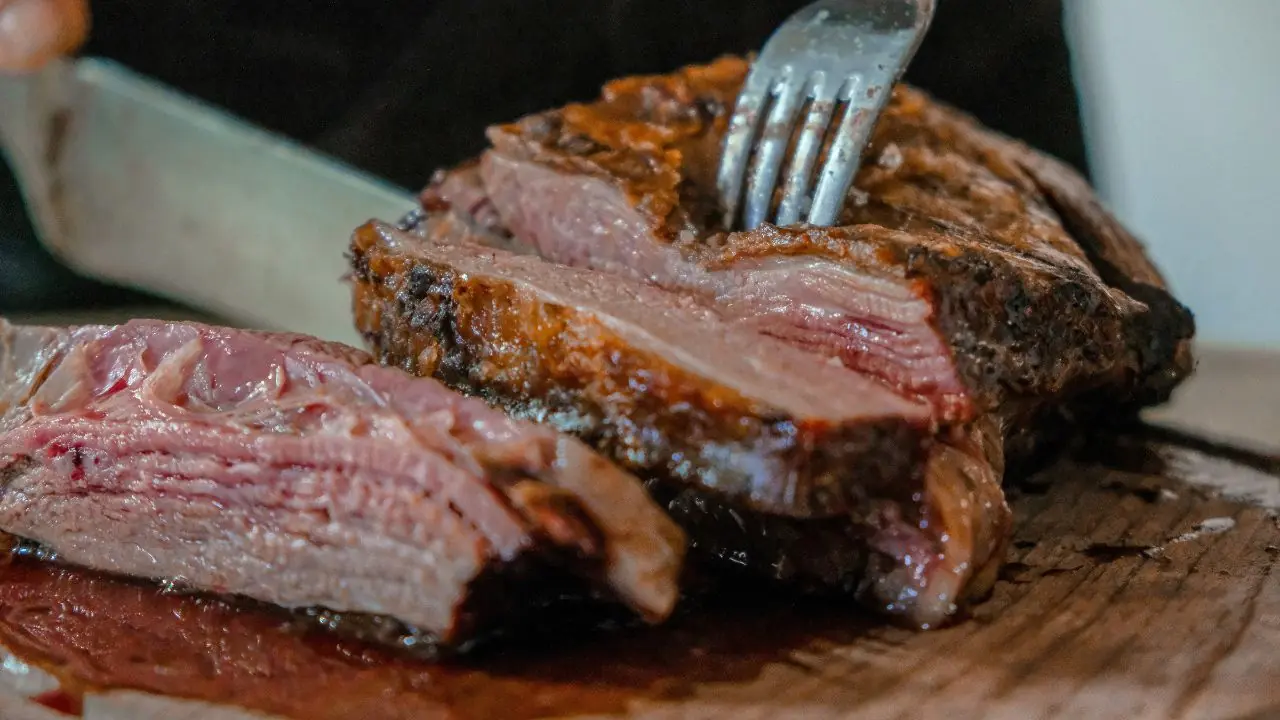
- Beef: The most highly recommended staple. Fatty cuts like ribeye, chuck roast, and ground beef are preferred.
- Other Red Meat: Lamb, bison, and venison.
- Poultry: Chicken and turkey, ideally choosing dark meat or eating the skin for higher fat content.
- Pork: Bacon, pork belly, and fattier chops.
- Fish:
- Fatty Fish: Salmon, mackerel, and sardines for their high Omega-3 content.
- Other Seafood: Shrimp, scallops, and other shellfish.
- Other Animal Products:
- Eggs: All types of eggs (chicken, duck) are encouraged for their nutritional density.
- Dairy (Highly Limited): Some followers include high-fat, low-lactose dairy like butter, ghee, and certain hard cheeses. Milk and soft cheeses are often excluded due to lactose (sugar) content.
- Organ Meats: Liver, kidneys, and heart are highly recommended, as they contain a significantly higher concentration of vitamins and minerals (like Vitamin C, Vitamin A, and folate) that are otherwise scarce in muscle meat.
- Fluids: Water, bone broth, and, for some, plain coffee or tea (though this is debated due to the plant origin).
Foods to Avoid
The list of foods to avoid is extensive, encompassing nearly everything that is not an animal product. The exclusion is often justified by the presence of anti-nutrients or carbohydrates.
- All Fruits: Apples, bananas, berries, citrus, etc.
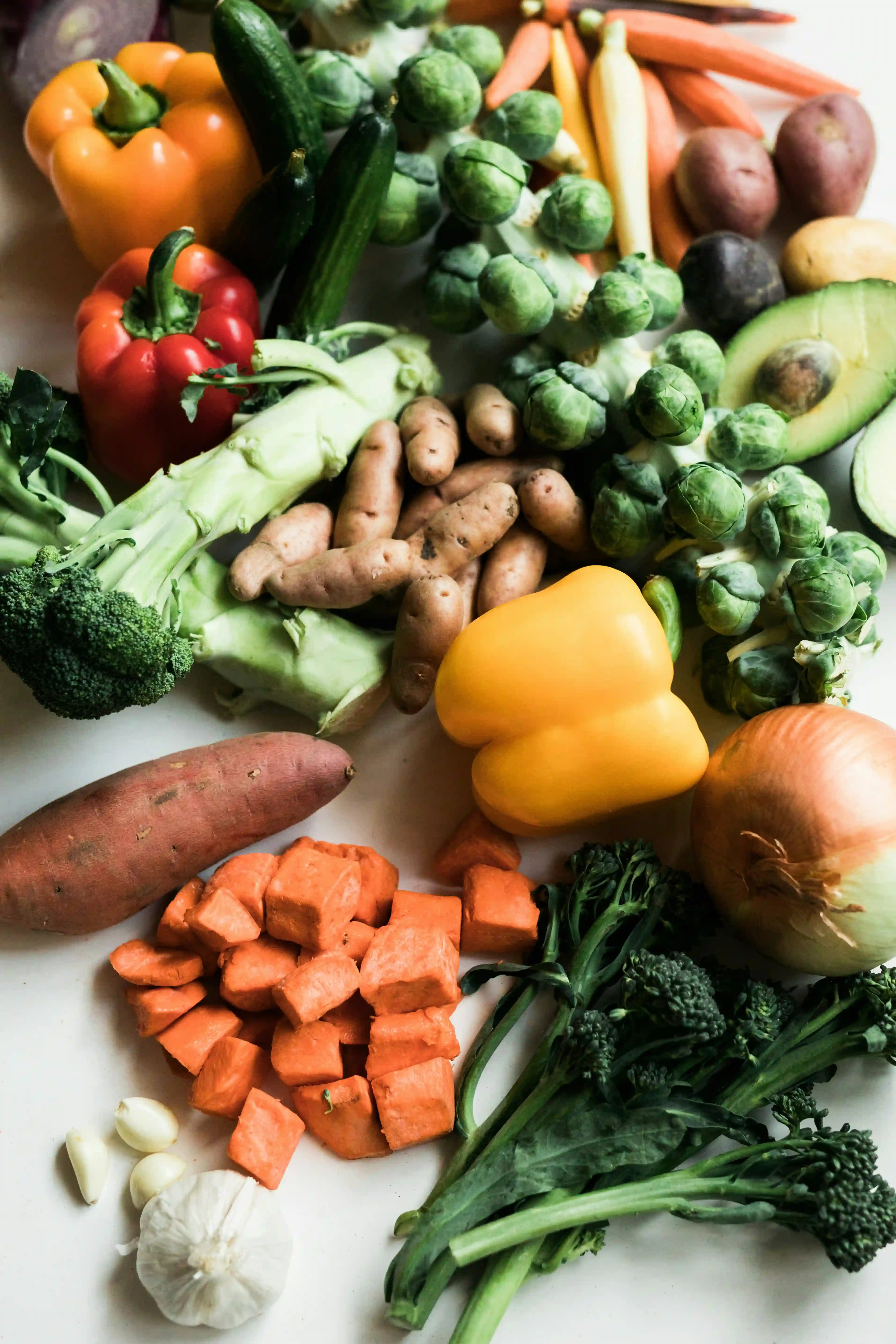
- All Vegetables: Broccoli, spinach, carrots, potatoes, onions, garlic, etc.
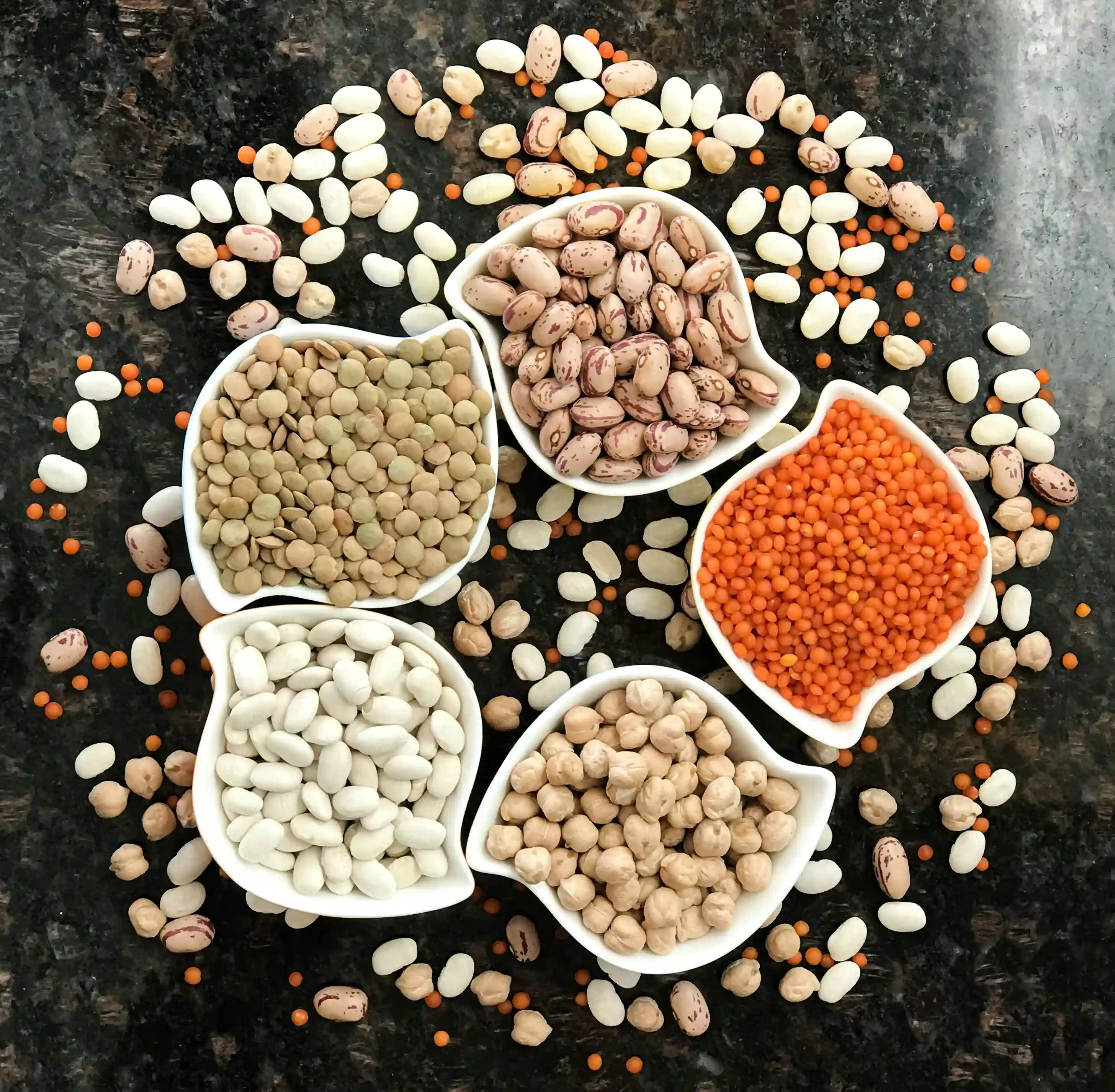
- All Grains and Legumes: Wheat, rice, oats, barley, beans, lentils, peanuts.
- Sugars and Sweeteners: Table sugar, honey, maple syrup, high-fructose corn syrup, and artificial sweeteners.
- Oils: All plant-based oils, including olive oil, canola oil, and vegetable oil.
- Nuts and Seeds: Almonds, walnuts, chia seeds, flax seeds, and products derived from them (flours, butters).
- High-Lactose Dairy: Milk and ice cream.
- Alcohol and Most Beverages: Beer, wine, soda, and juice.
- Spices and Condiments: Pepper, paprika, mustard, ketchup, and most bottled sauces (due to spices, sugar, and plant ingredients). Salt is generally allowed.
Weight Loss
Many individuals experience rapid initial weight loss on the Carnivore Diet, primarily driven by three mechanisms:
- Water Weight Reduction: The initial and most dramatic drop in weight comes from eliminating carbohydrates, which reduces the glycogen stores in the muscles and liver. Glycogen binds water, so flushing these stores leads to rapid water weight loss.
- Appetite Suppression: Both high protein and high fat are extremely satiating. Followers often report significantly reduced hunger, which naturally leads to a spontaneous decrease in overall calorie intake.
- Ketosis: By eliminating all carbohydrates, the body is forced into ketosis, where it efficiently burns stored body fat for energy. This constant fat mobilization contributes to long-term fat loss.
While effective for weight reduction, the sustainability of such a restrictive diet for long-term weight management is a major factor to consider, as is the potential rebound effect upon reintroducing previously forbidden foods.
Benefits
Proponents cite various benefits, though the evidence supporting these claims is largely anecdotal and requires robust scientific validation:
- Symptom Relief for Autoimmune Conditions: Some individuals report a significant reduction in symptoms associated with autoimmune diseases (like rheumatoid arthritis or lupus) and chronic inflammation. This is often attributed to the complete elimination of common inflammatory plant compounds.
- Improved Digestive Health: For those suffering from irritable bowel syndrome (IBS) or inflammatory bowel disease (IBD), removing fiber and hard-to-digest plant matter may lead to reduced bloating, gas, and digestive discomfort.
- Mental Clarity and Energy: Many followers report increased focus, stable energy levels, and improved mood. This is consistent with the stable blood sugar levels typical of a ketogenic lifestyle, avoiding the "sugar crashes" associated with carbohydrate intake.
- Simplicity: The diet is extremely easy to follow due to its severe restrictions, eliminating the need for complex meal planning, portion counting, or calorie tracking.
Downsides
The extreme nature of the Carnivore Diet raises several serious concerns from a conventional nutritional standpoint:
- Nutrient Deficiencies: The complete lack of fruits, vegetables, and whole grains eliminates key sources of fiber, Vitamin C, Vitamin K, and crucial plant-based antioxidants (polyphenols). While organ meats provide some essential vitamins, getting sufficient amounts of all micronutrients is challenging.
- Lack of Fiber: The zero-fiber intake can severely impact gut health, leading to chronic constipation. Fiber is essential for maintaining a healthy and diverse gut microbiome.
- Cholesterol and Saturated Fat Concerns: The diet is exceptionally high in saturated fat and cholesterol. While the impact on blood lipids is individual, this dietary profile raises long-term concerns regarding heart health for many people.
- Keto Flu and Electrolyte Imbalances: The initial transition can cause fatigue, headache, dizziness, and nausea (keto flu) due to low sodium and potassium levels. Maintaining proper electrolyte balance is difficult without fortified foods or supplements.
- Social and Psychological Restriction: The diet is incredibly difficult to sustain socially, making eating out or joining family meals highly restrictive and potentially isolating.
- Sustainability: The diet relies on large amounts of meat, which raises significant concerns regarding environmental sustainability and cost.
Sample Menu
A typical day on the Carnivore Diet prioritizes simplicity and high-fat intake, often involving only two or three meals a day due to the highly satiating nature of meat.
- Breakfast: 6 scrambled eggs cooked in butter or tallow, three slices of bacon, or a small ground beef patty.
- Lunch: Ground beef patties (no bun or seasoning other than salt) or cold leftover steak.
- Dinner: A large, fatty cut of steak (ribeye or sirloin) cooked in its own fat, sometimes supplemented with a serving of organ meat (like liver once a week).
- Snacks (Optional): Cheese crisps (for those including hard dairy), beef jerky (unseasoned), or hard-boiled eggs.
Bottom Line
The Carnivore Diet is an extremely restrictive elimination diet that can lead to rapid weight loss and may provide symptom relief for some individuals struggling with chronic inflammatory or autoimmune conditions. However, it lacks robust, long-term scientific backing and raises serious questions about nutritional completeness, especially regarding fiber, Vitamin C, and plant-based phytonutrients.
Due to the risk of nutrient deficiencies and high saturated fat intake, this diet is not recommended by mainstream nutritionists or medical institutions for the general population. Anyone considering the Carnivore Diet should do so only under the strict supervision of a healthcare professional, ensuring diligent monitoring of blood markers and vitamin status to mitigate potential long-term health risks.
Frequently Asked Questions about the Carnivore Diet
Where do you get Vitamin C on the Carnivore Diet?
The main source of Vitamin C on the Carnivore Diet is organ meats, specifically raw or lightly cooked liver. Proponents claim that because the diet contains virtually no glucose, the body requires significantly less Vitamin C, as glucose and Vitamin C compete for absorption. However, this claim is unproven, and getting adequate Vitamin C without supplements remains a major concern.
Is the Carnivore Diet the same as the Keto Diet?
No, the Carnivore Diet is a much stricter subset of the ketogenic diet. Both diets aim for ketosis by eliminating carbohydrates. However, the Keto Diet allows for low-carb vegetables, nuts, seeds, and healthy plant oils, while the Carnivore Diet strictly forbids all plant matter, restricting intake only to animal products.
What are "anti-nutrients" and why does the diet avoid them?
Anti-nutrients are compounds found in plants (like lectins in beans, phytates in grains, and oxalates in greens) that can interfere with the body's absorption of vitamins and minerals. Proponents of the Carnivore Diet argue that eliminating these compounds is necessary to stop inflammation and heal the gut, though most people can safely neutralize or tolerate these compounds through proper food preparation (soaking, cooking, fermenting).
Can I drink coffee or tea on the Carnivore Diet?
It depends on the strictness of the follower. Technically, coffee and tea come from beans and leaves, making them plant products and thus forbidden. However, many followers include plain black coffee or tea because they find the diet too difficult without the caffeine, or they view the benefit of caffeine as outweighing the plant-product rule.
How we reviewed this article:
Our team continually monitors and updates articles whenever new information becomes available.
Written By
Ian Nathan, an MBChB Candidate, and the Healtharticles Editorial Team
Medically Reviewed By
Ian Nathan, an MBChB Candidate