Is it True that the Carnivore Diet Causes Haemorrhoids?
Table of Contents
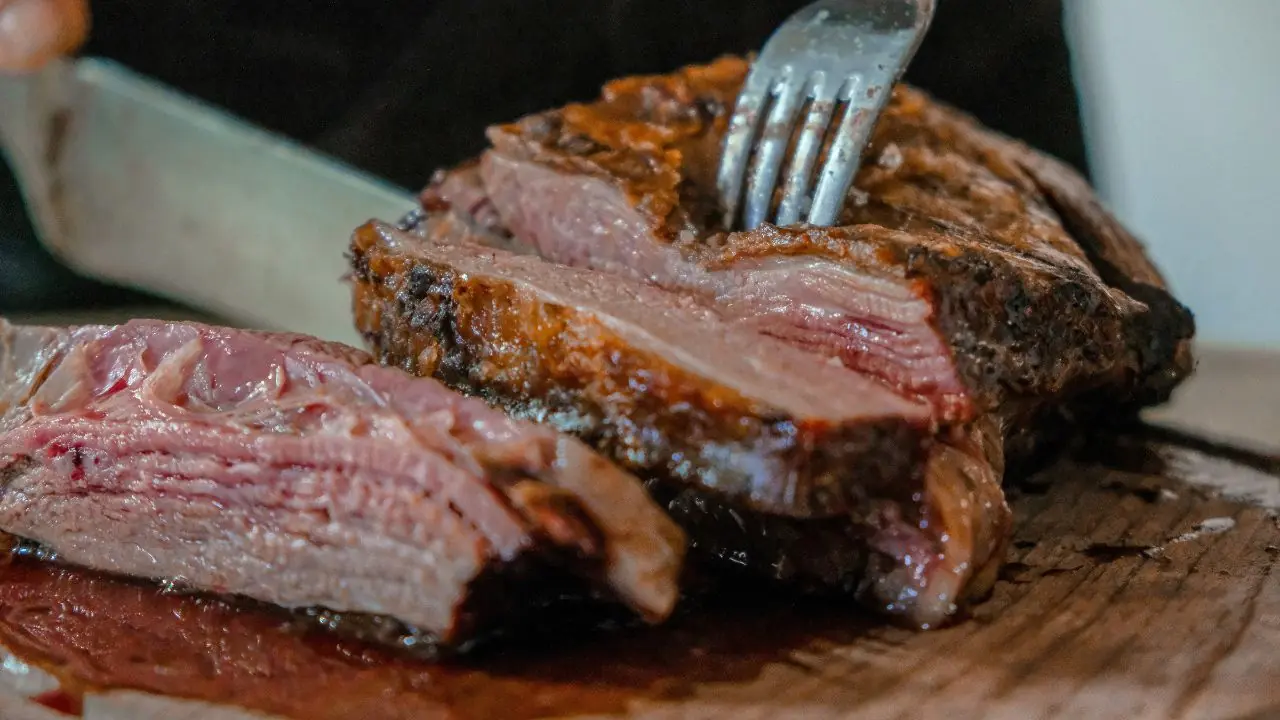
It is not accurate to say the Carnivore Diet directly causes haemorrhoids (piles), but it significantly increases the risk factors that lead to them. The diet, which strictly eliminates all plant-based foods, also eliminates nearly all dietary fiber.
The primary cause of haemorrhoids is straining during bowel movements, which is most often a result of chronic constipation and hard, difficult-to-pass stools. Since the Carnivore Diet is fiber-free, it can lead to hardened stool consistency and constipation in many individuals, thereby increasing the likelihood of developing haemorrhoids.
The Link Between Low Fiber and Haemorrhoids
Haemorrhoids are swollen, inflamed veins in the anus and lower rectum, similar to varicose veins. They occur when there is excessive pressure on the veins in the anal area.
The most common cause of this pressure is straining to pass hard stools.
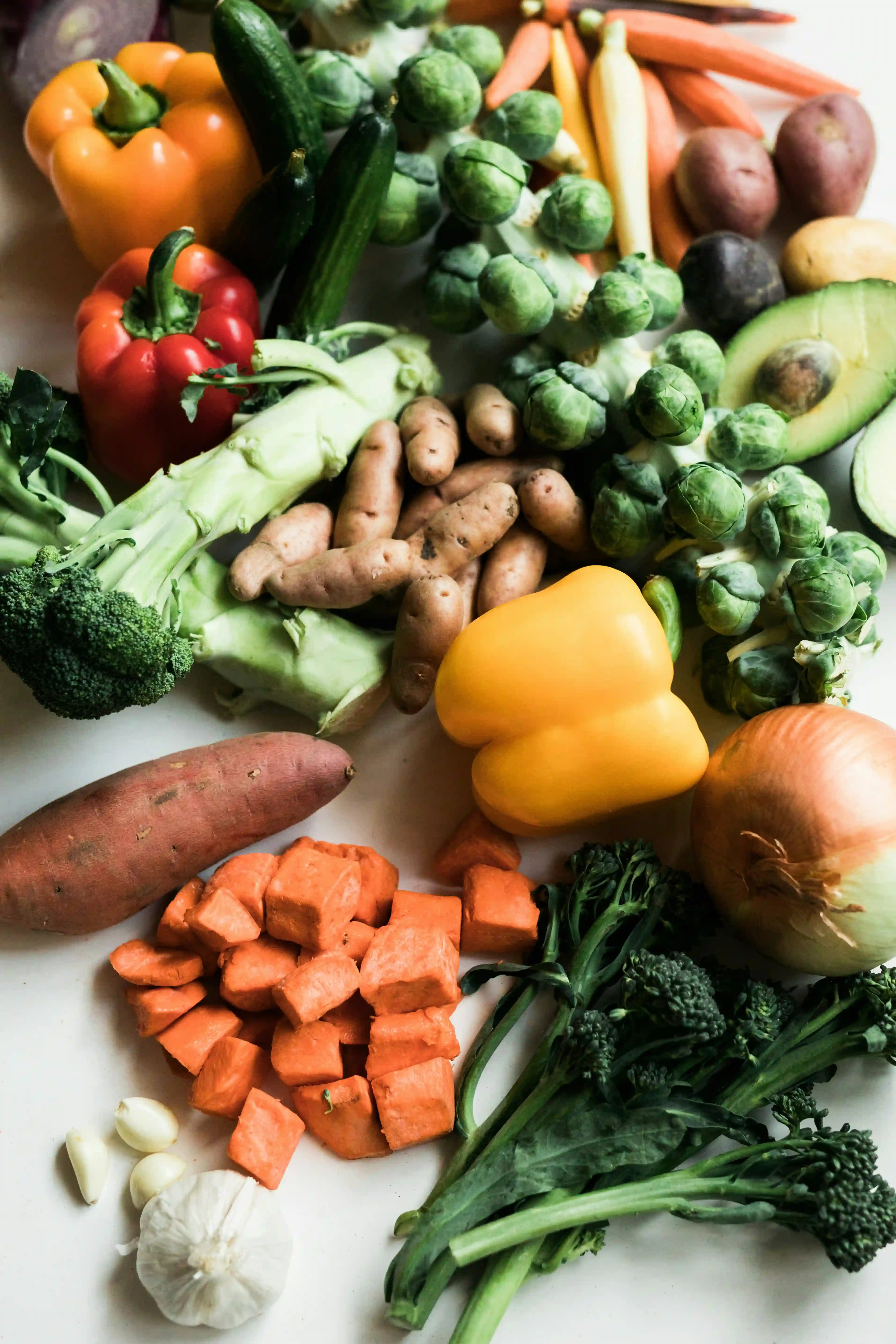
Dietary fiber, found primarily in fruits, vegetables, and whole grains, performs two vital functions for bowel health: it adds bulk to the stool and helps it retain water. These actions result in softer, larger stools that pass easily, which prevents the straining that leads to haemorrhoids.
The Role of Fiber on Stool Consistency
Fiber is the indigestible part of plant foods that passes mostly intact through the stomach and small intestine.
There are two main types of fiber, both of which are excluded from the Carnivore Diet:
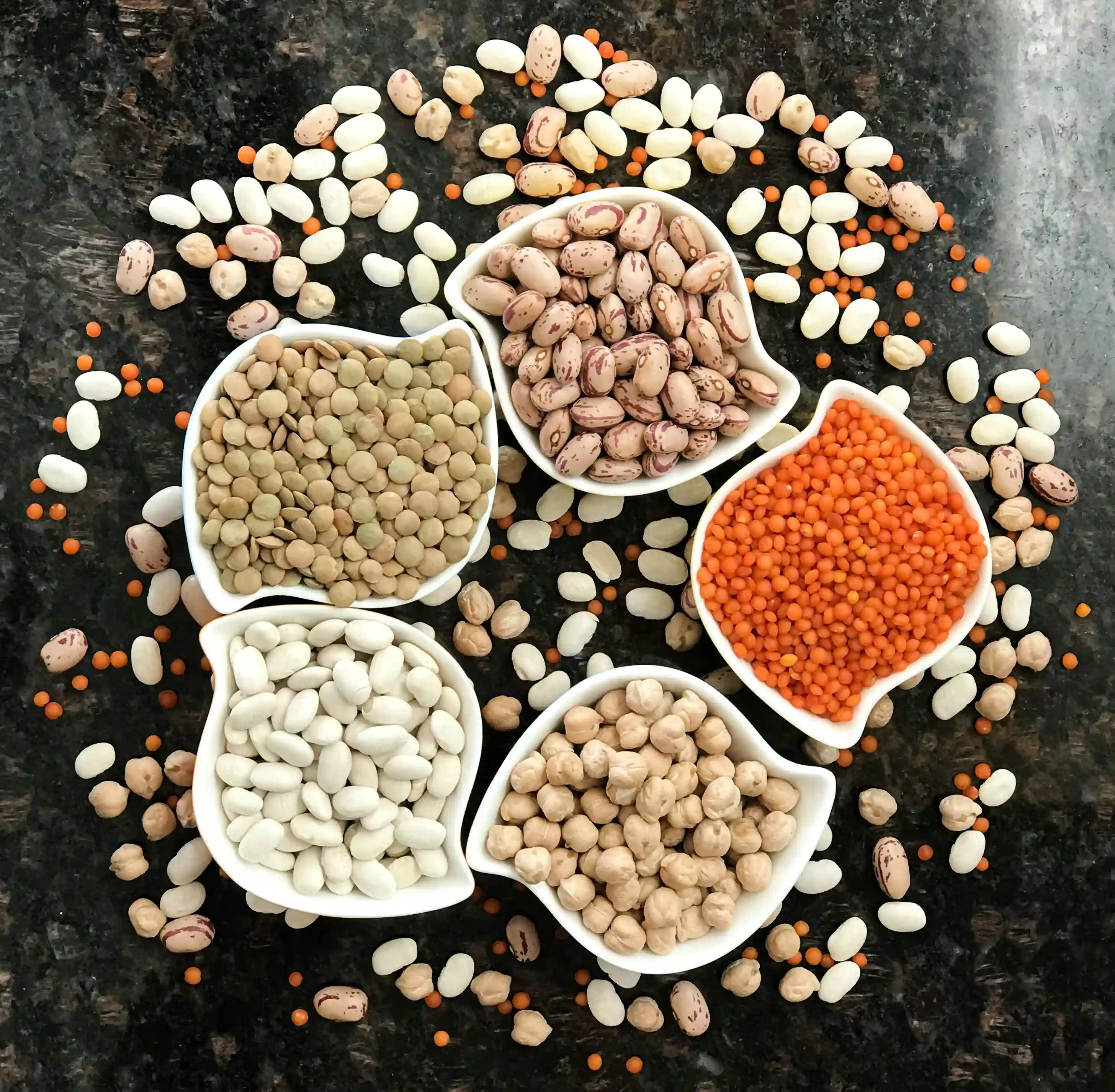
1. Soluble Fiber: This type dissolves in water to form a gel-like substance. It helps to soften the stool, making its passage smoother and less abrasive. Soluble fiber is found in foods like oats, beans, and apples.
2. Insoluble Fiber: This type does not dissolve and acts as a bulk agent. It increases the volume and size of the stool, which stimulates the intestines to move contents along more effectively. Insoluble fiber is found in whole grains, nuts, and many vegetables.
Without either form of fiber, the Carnivore Diet often results in small, dense, and hard stools, or, conversely, a lack of bulk leading to diarrhoea. Both chronic constipation and chronic diarrhoea are listed as risk factors for haemorrhoids.
The general recommendation for fiber intake is 25 to 38 grams per day for most adults—an amount that cannot be met on a diet of only meat and animal products.
Mitigating the Risk on the Carnivore Diet
Individuals who follow the Carnivore Diet and wish to mitigate the risk of haemorrhoids must address the issue of stool consistency and bowel regularity.
The most commonly recommended strategies involve increasing hydration and using non-fiber-based stool softeners:
- Adequate Hydration: Drinking plenty of water is crucial. Since fiber is not present to hold water in the stool, increased fluid intake is essential to prevent stools from drying out and hardening.
- Stool Softeners: Over-the-counter stool softeners (emollient laxatives) or mineral oil can be used to add moisture to the stool without adding fiber.
- Magnesium Supplements: Some forms of magnesium (like magnesium citrate) draw water into the colon, which can act as an osmotic laxative to soften stools.
- Avoid Straining: Do not strain or sit on the toilet for prolonged periods. Go to the bathroom immediately when you feel the urge.
If haemorrhoids develop or symptoms persist, it is essential to consult a doctor. They may recommend temporarily increasing fiber or using specific treatments like topical pain relievers.
For most people, the safest and most effective way to prevent haemorrhoids is to maintain a diet that includes a variety of high-fiber foods to support soft, regular bowel movements.
Some anecdotal reports from individuals on the Carnivore Diet claim that their digestive issues, including haemorrhoids, improved. This is sometimes attributed to the elimination of irritating plant compounds, but this runs contrary to established medical guidance on fiber and bowel health.
In summary, while the Carnivore Diet is not a direct cause, the resulting low-fiber, low-fluid stool consistency creates the ideal conditions for haemorrhoid development.
Frequently Asked Questions about Haemorrhoids on the Carnivore Diet
Is it true that a low-fiber diet can actually cure some bowel issues?
Some studies and anecdotal reports suggest that in certain conditions like Inflammatory Bowel Disease (IBD) or Diverticulitis, a temporary low-residue or low-fiber diet can alleviate acute symptoms. However, for the general population and the prevention of haemorrhoids, a high-fiber diet is the medically recommended standard.
What are the key causes of haemorrhoids besides diet?
Haemorrhoids are caused by increased pressure in the lower rectum. Other risk factors include pregnancy, obesity, sitting on the toilet for too long, frequently lifting heavy objects, and age (weakening of supporting tissues).
Are there any foods I should avoid if I have haemorrhoids?
During a flare-up, you should avoid foods that worsen constipation or are difficult to digest. These often include highly processed foods, low-fiber dairy products, refined flour products (white bread), and excessive alcohol, as they can contribute to hardened stool and increased straining.
Do haemorrhoids go away on their own?
Yes, most haemorrhoids resolve on their own within a few weeks with home care, which includes lifestyle changes like increasing fiber and fluid intake, and using warm baths (sitz baths) for relief. If symptoms persist for more than a week or bleeding is heavy, professional medical attention is necessary.
How we reviewed this article:
Our team continually monitors and updates articles whenever new information becomes available.
Written By
Ian Nathan, an MBChB Candidate, and the Healtharticles Editorial Team
Medically Reviewed By
Ian Nathan, an MBChB Candidate