The 17 Best Foods for High Blood Pressure
Table of Contents
High blood pressure, or hypertension, is a serious condition that significantly increases the risk of heart disease, stroke, and kidney failure. While lifestyle changes are crucial for management, diet plays perhaps the most important role. A diet rich in potassium, magnesium, calcium, and nitrates—key nutrients that help relax blood vessel walls—can lead to measurable reductions in both systolic and diastolic blood pressure. The following 17 foods are nutritional powerhouses proven to support cardiovascular health and assist in lowering blood pressure naturally.
Incorporating these foods into your daily routine is a key component of the Dietary Approaches to Stop Hypertension (DASH) eating plan. By focusing on whole, unprocessed foods and reducing sodium, you can harness the power of nutrition to regulate your circulatory system.
Citrus
Oranges, grapefruits, lemons, and limes are brimming with vitamins, minerals, and plant compounds that may help reduce blood pressure. They are especially noted for their high concentrations of Vitamin C and flavonoids. Flavonoids are powerful antioxidants that have been shown to improve blood flow, strengthen the inner lining of the blood vessels (endothelium), and enhance the body's natural production of nitric oxide, a compound that relaxes and widens arteries. Drinking citrus juice (unsweetened) or eating the whole fruit regularly is linked to healthier blood pressure levels. Note: Grapefruit can interact dangerously with certain blood pressure medications; always consult your doctor.
Fatty Fish
Salmon, mackerel, and sardines are excellent sources of Omega-3 fatty acids, specifically EPA and DHA. These essential fats are celebrated for their strong anti-inflammatory properties and their direct benefits to the heart. Omega-3s help reduce inflammation throughout the body, including in the blood vessels, which can contribute to hypertension. They also decrease levels of triglycerides and can slightly lower blood pressure by promoting vasodilation. Aim for at least two servings of fatty fish per week.
Leafy Greens
Spinach, collard greens, kale, and arugula are incredibly rich in nitrates. When consumed, the body converts these nitrates into nitric oxide, a potent vasodilator that signals the muscles around your arteries to relax. This relaxation causes the blood vessels to widen, lowering blood pressure. One cup of cooked spinach provides a substantial amount of potassium and magnesium, two minerals vital for regulating fluid balance and heart function. Juicing or blending greens is an efficient way to consume large quantities of nitrates.
Nuts and Seeds
Flaxseeds, chia seeds, pistachios, and walnuts are packed with blood pressure-friendly components, including magnesium, potassium, and healthy unsaturated fats. Flaxseeds and chia seeds, in particular, are potent sources of Omega-3 alpha-linolenic acid (ALA) and fiber. A tablespoon of ground flaxseed daily has been shown in studies to reduce both systolic and diastolic pressure, likely due to their ALA and lignan content. Pistachios are especially noted for their powerful vasodilation effects under stress.
Legumes
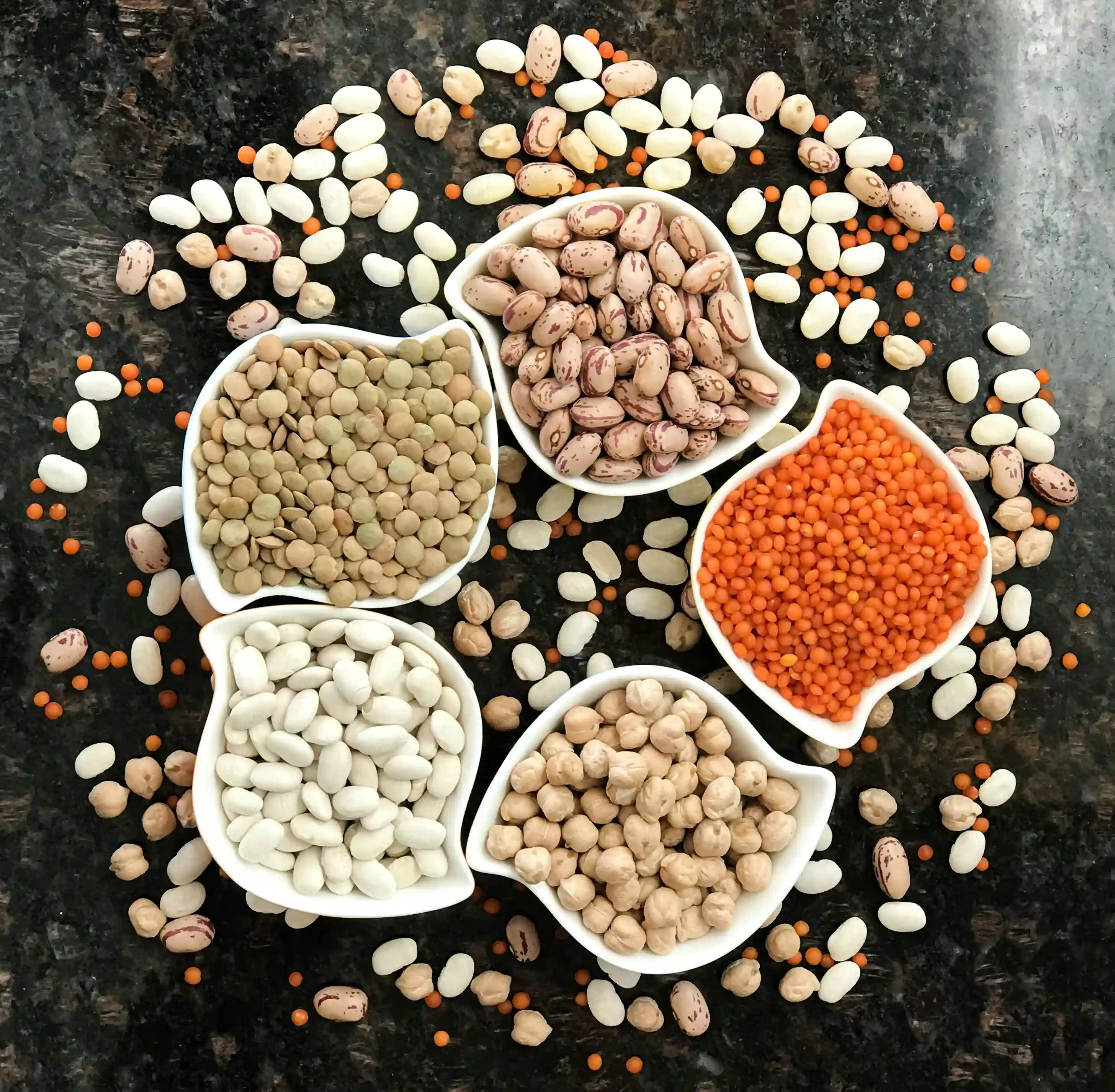
Beans, lentils, and peas are stars of the DASH diet because they are high in fiber, magnesium, and potassium—all crucial for blood pressure control—and low in fat. The high fiber content in legumes helps stabilize blood sugar and cholesterol, indirectly supporting cardiovascular health. A large meta-analysis found that regularly incorporating legumes into the diet can lead to small yet significant reductions in blood pressure. They are also excellent protein substitutes for high-sodium processed meats.
Berries
Strawberries, blueberries, raspberries, and chokeberries contain high levels of anthocyanins, a type of flavonoid that gives them their deep color. Anthocyanins have been shown to directly benefit the lining of the blood vessels, boosting nitric oxide production and helping to lower blood pressure. Regular consumption of berries is linked to improved arterial stiffness and reduced risk of hypertension, making them a delicious and easy addition to any diet.
Amaranth
This ancient pseudocereal is a nutritional standout, offering more protein and fiber than most traditional grains. Amaranth is rich in magnesium and the unique peptide lunasin, which is thought to possess anti-hypertensive properties. Studies suggest that its specific blend of minerals and bioactive compounds helps reduce both systolic and diastolic blood pressure. It can be cooked like rice or used as flour in baking.
Olive Oil
Extra Virgin Olive Oil (EVOO) is a staple of the Mediterranean diet and a powerful ally against hypertension. It is rich in monounsaturated fatty acids and polyphenols. The polyphenols act as potent antioxidants, protecting the blood vessels from damage and supporting the production of nitric oxide. Using high-quality EVOO in place of saturated fats (like butter) is a key dietary change that can significantly benefit blood pressure.
Carrots
Carrots are high in phenolic compounds, such as chlorogenic, p-coumaric, and ferulic acids, which help relax blood vessels and reduce inflammation, contributing to lower blood pressure. They are also rich in beta-carotene and fiber. Eating carrots raw is thought to be the most effective way to consume their beneficial compounds. A daily intake of raw carrots has been associated with reduced systolic pressure.
Eggs
Eggs, especially the yolks, are rich in peptides and Vitamin D. While traditionally feared for cholesterol, research now shows that moderate egg consumption does not increase heart disease risk for most people. Specifically, egg whites contain peptides that can inhibit angiotensin-converting enzyme (ACE), a mechanism similar to the action of ACE inhibitor blood pressure medications. Vitamin D, found in the yolk, is also linked to better blood pressure regulation.
Tomatoes
Tomatoes and tomato products (like low-sodium paste and sauce) are rich in lycopene, a carotenoid antioxidant that has been linked to improved cardiovascular health and reduced blood pressure. Lycopene works by protecting the inner walls of the blood vessels and promoting their flexibility. Tomatoes are also good sources of potassium, which counters the effects of sodium.
Broccoli
This cruciferous vegetable is packed with flavonoids, Vitamin C, and sulforaphane. Sulforaphane, a sulfur-containing compound, has demonstrated powerful anti-inflammatory effects that protect the circulatory system. Regular consumption of broccoli has been shown to improve blood flow and relax blood vessels, contributing to lower hypertension risk.
Yogurt
Plain, low-fat yogurt is an excellent source of calcium and probiotics. Calcium is essential for smooth muscle function, including the relaxation and contraction of blood vessel walls. Probiotics, the beneficial bacteria found in yogurt, are increasingly linked to blood pressure regulation, possibly by mediating gut-blood pressure pathways. Opt for plain, unsweetened varieties to avoid added sugars.
Herbs
Certain culinary herbs can be potent anti-hypertensive agents. Garlic contains allicin, a compound that releases hydrogen sulfide gas, which relaxes blood vessels. Cinnamon and ginger are also noted for their circulatory benefits and ability to lower pressure. Using these herbs liberally allows you to add flavor without resorting to salt, a major advantage for hypertension management.
Potatoes
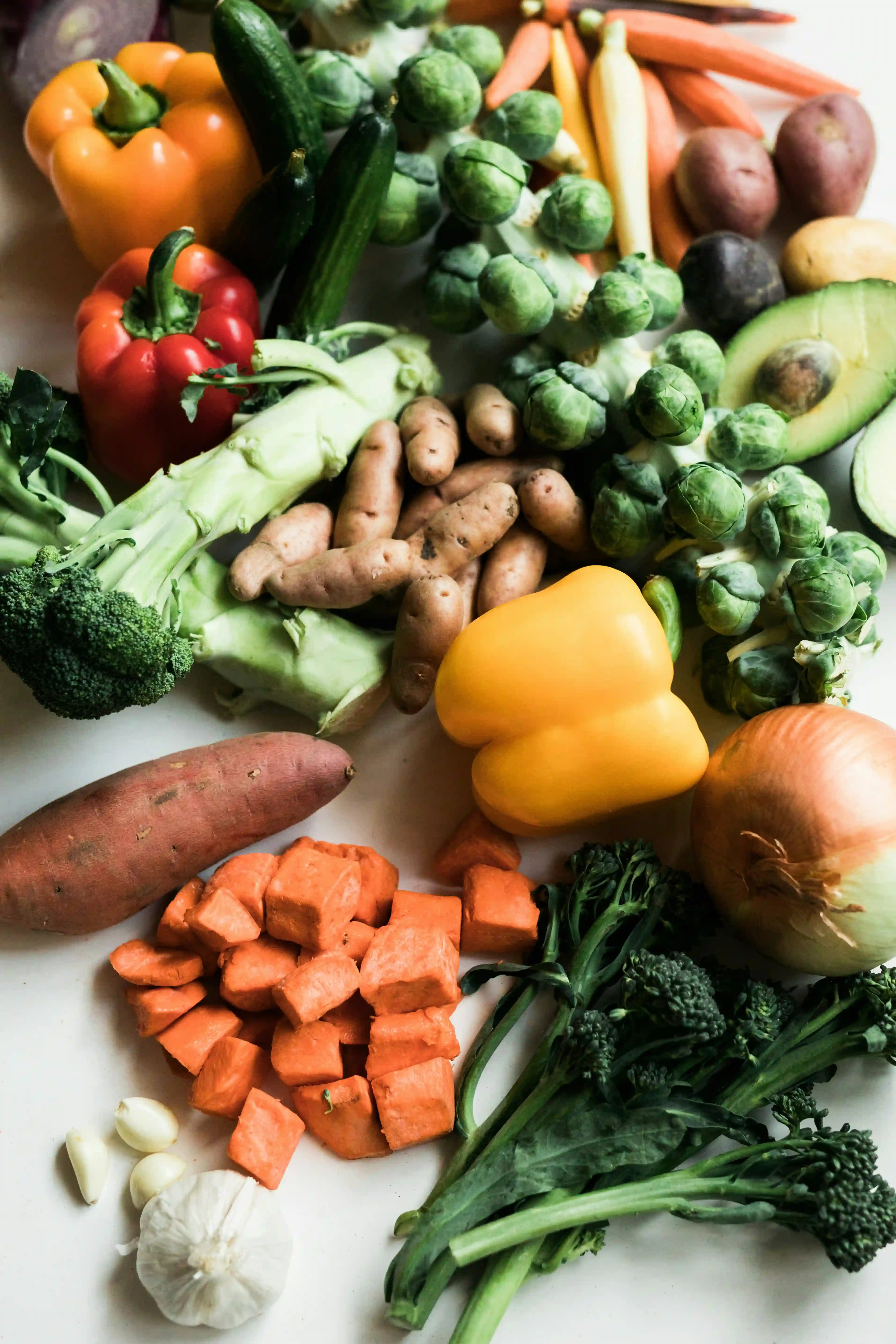
Potatoes, particularly when eaten with the skin and not deep-fried, are an excellent source of potassium and magnesium. Potassium works to balance out sodium levels, flushing excess sodium from the body and easing tension in the artery walls. A medium potato with the skin contains far more potassium than a banana, making it a critical part of the mineral-rich DASH diet.
Kiwifruit
Kiwifruit is rich in Vitamin C, Lutein, and potassium. Clinical studies have demonstrated that the consumption of three kiwifruits per day can lead to measurable reductions in both systolic and diastolic blood pressure, comparable to the effect of some blood pressure medications. The high antioxidant and potassium content is believed to be responsible for this powerful effect.
Lean Meat
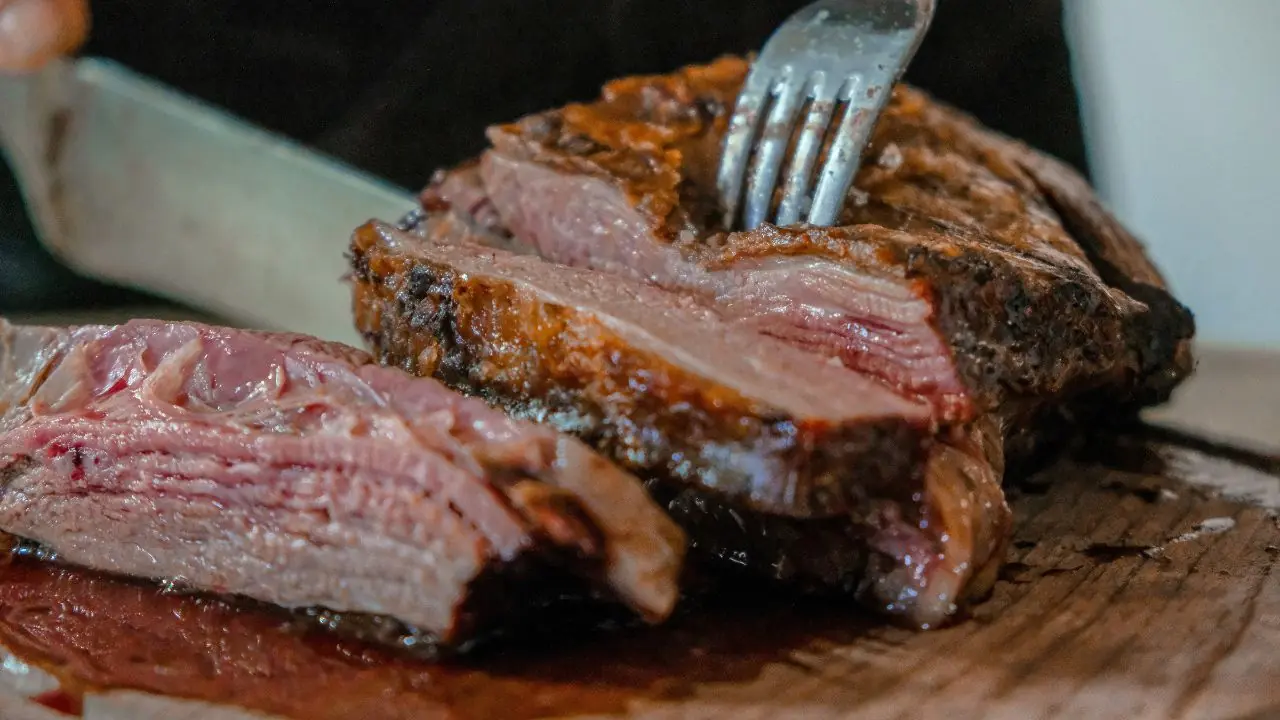
While plant-based foods dominate the list, lean cuts of meat and poultry (like skinless chicken breast or turkey) are included in the DASH diet as good sources of protein and B vitamins, provided they are prepared without added salt or high-fat marinades. Protein is important for satiety, and lean meat is a good source of iron. It is vital to prioritize portion control and keep sodium levels low when consuming animal proteins.
Takeaway
Managing high blood pressure through diet involves a committed effort to increase the intake of potassium, magnesium, calcium, and dietary nitrates, while rigorously limiting sodium, saturated fats, and processed foods. The 17 foods listed here—from leafy greens and berries to fatty fish and legumes—provide the necessary nutritional foundation to achieve and maintain healthy blood pressure levels. Remember that diet works synergistically with other lifestyle changes, such as regular physical activity and stress management, to maximize cardiovascular protection. Always consult your healthcare provider before making significant dietary changes, especially if you are on blood pressure medication.
Frequently Asked Questions about High Blood Pressure Diet
Is the DASH diet the best diet for lowering blood pressure?
Yes, the DASH (Dietary Approaches to Stop Hypertension) diet is widely recognized and clinically proven as the gold standard for lowering blood pressure. It emphasizes foods rich in potassium, calcium, and magnesium (like whole grains, fruits, vegetables, and low-fat dairy) while strictly limiting sodium, added sugars, and saturated fats.
How quickly can diet changes affect blood pressure?
Significant dietary changes, particularly adherence to the DASH diet and a reduction in sodium, can begin to show positive effects on blood pressure relatively quickly. Some individuals experience noticeable reductions in blood pressure within two to four weeks of making consistent changes.
How important is potassium for blood pressure?
Potassium is extremely important. It works as an antagonist to sodium. Potassium helps regulate fluid balance and signals the kidneys to excrete excess sodium. By reducing the volume of blood and relaxing the tension in blood vessel walls, adequate potassium intake is a critical mineral for lowering hypertension.
If I have high blood pressure, should I avoid all salt?
While you don't need to avoid all salt, you must drastically reduce sodium intake. The recommended limit for hypertension is often 1,500 mg per day. The majority of sodium comes from processed, canned, and packaged foods, not from the salt shaker. Focusing on cooking with fresh ingredients and using herbs instead of salt is the most effective strategy.
How we reviewed this article:
Our team continually monitors and updates articles whenever new information becomes available.
Written By
Ian Nathan, an MBChB Candidate, and the Healtharticles Editorial Team
Medically Reviewed By
Ian Nathan, an MBChB Candidate