Retinol: Facts & Truths
Table of Contents
Retinol is a compound derived from Vitamin A and is a key ingredient in many over-the-counter anti-aging and anti-acne skincare products. It belongs to the family of chemicals called retinoids, which are lauded by dermatologists for their powerful ability to promote skin cell turnover, stimulate collagen production, and improve the appearance of various skin conditions.
When applied to the skin, retinol is converted by enzymes into its active form, retinoic acid (also known as tretinoin), which is the compound that directly interacts with skin cells to produce change. This conversion process is what makes retinol gentler and slower-acting than prescription-strength retinoic acid.
Retinol is often used to address common signs of skin aging, including fine lines, wrinkles, and uneven skin tone, as well as to improve the texture and clarity of skin affected by acne. Its effectiveness is backed by decades of clinical research, making it one of the most widely recommended topical skincare ingredients.
Despite its proven benefits, retinol is known for causing temporary side effects such as redness, dryness, and peeling, especially during the initial phase of use, which requires users to adopt a careful and gradual integration into their skincare regimen.
How Retinol Works at a Cellular Level
Retinol's profound effects on the skin stem from its ability to penetrate the outer layer (the epidermis) and reach the middle layer (the dermis), where it affects gene expression and cellular function.
In the dermis, retinoic acid stimulates the production of collagen and elastin. Collagen is the primary protein responsible for skin structure and firmness. By boosting its production, retinol helps fill in fine lines and wrinkles, leading to smoother, plumper skin over time.
In the epidermis, it accelerates cell turnover. This means it encourages old, dead skin cells to shed more quickly and promotes the rapid growth of new, healthy cells. This action unclogs pores, reduces acne breakouts, and fades dark spots (hyperpigmentation) and sun damage.
Retinol also acts as an antioxidant, neutralizing free radicals generated by UV exposure and environmental pollutants. This protective action helps prevent future collagen degradation and signs of photoaging.
The combination of these actions—collagen stimulation, accelerated cell turnover, and antioxidant protection—is what gives retinol its reputation as a powerhouse anti-aging ingredient.
It is important to note that because retinol works by changing cell behavior, it takes time, often 3 to 6 months, to see significant results.
Proper application technique is essential to minimize irritation and maximize benefits.
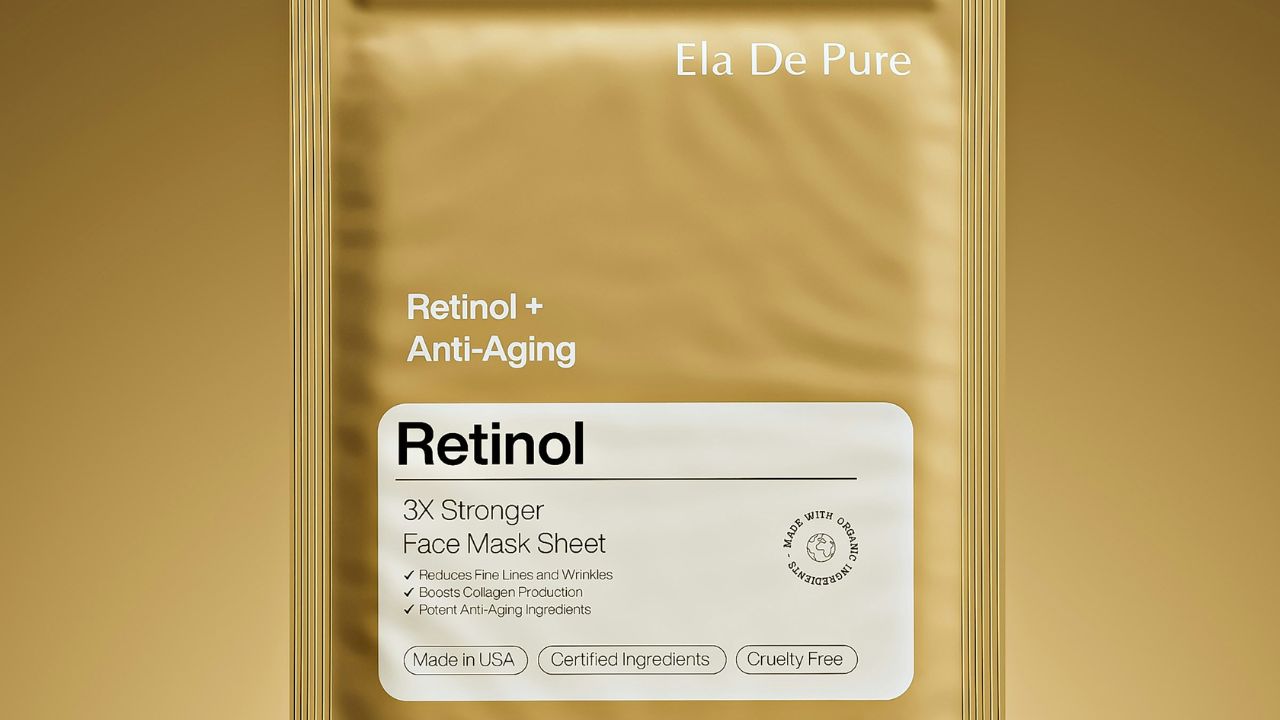
Key Benefits of Using Retinol
Retinol is a multitasking ingredient that addresses multiple skin concerns simultaneously, making it a staple in many dermatologists' recommendations.
The main benefits are centered around its effects on aging and acne:
- Reduces Fine Lines and Wrinkles: By increasing collagen production in the dermis, retinol helps skin regain elasticity and firmness, visibly reducing the depth and number of wrinkles.
- Treats and Prevents Acne: By increasing cell turnover, retinol prevents dead skin cells from clogging pores, reduces inflammation, and minimizes the formation of comedones (blackheads and whiteheads).
- Fades Hyperpigmentation: The accelerated cell turnover helps shed skin cells containing excess melanin, which effectively fades dark spots, sun spots, and post-inflammatory hyperpigmentation (acne scars).
- Improves Skin Texture: Regular use leads to smoother, more uniform skin texture due to the removal of rough, dead surface cells.
Beyond these primary effects, retinol is also beneficial for maintaining overall skin health.
- Minimizes Pore Appearance: By keeping pores clean and by thickening the underlying dermis, pores appear smaller and tighter.
- Boosts Efficacy of Other Products: Its exfoliating action helps other active ingredients (like moisturizers or Vitamin C serums) penetrate the skin more effectively.
- Enhances Radiance: The constant renewal of the skin surface reveals fresh, new cells, resulting in a more radiant complexion.
- Reduces Oiliness: While not a primary function, it can help normalize oil production over time, which benefits oily and acne-prone skin types.
- Promotes Skin Firmness: By stimulating fibroblasts to produce collagen and elastin, it fights skin sagging.
It is generally considered a foundational ingredient for anyone seeking to prevent or reverse the effects of aging.
- Best for: Mature skin, acne-prone skin, and skin with hyperpigmentation.
- Requires: Commitment and patience for long-term results.
- Crucial Partner: Daily, broad-spectrum sunscreen.
However, users must be prepared for the initial adjustment period and side effects that accompany its introduction.
Retinol is typically the first retinoid recommended for new users before transitioning to stronger forms like retinaldehyde or retinoic acid.
Proper application technique is essential to minimize irritation and maximize benefits.
The Retinol Adjustment Period ("Retinization")
The initial phase of using retinol is known as "retinization." This is the period during which the skin adjusts to the highly active ingredient, and it is usually characterized by temporary side effects.
The most common side effects include redness, dryness, flaking, and mild irritation or stinging. These symptoms are a sign that the retinol is working and the skin is rapidly increasing cell turnover, but they are not a permanent reaction.
Retinization typically lasts for two to six weeks, depending on the individual's skin sensitivity and the strength of the product used. It is crucial to persist through this phase, as the skin eventually builds tolerance, and the side effects subside, revealing improved texture and tone.
Essential Application Tips for Beginners
To successfully navigate the retinization period and minimize irritation, dermatologists recommend a "start low and go slow" approach:
1. Start with a Low Concentration: Begin with the lowest over-the-counter strength (e.g., 0.25% - 0.5%) and only increase after your skin tolerates it for several months.
2. Use Infrequently: Apply retinol only 2-3 nights per week initially. Gradually increase application frequency as your skin tolerance builds.
3. Apply at Night: Retinol is photounstable (breaks down in sunlight), so it must be applied as part of your evening routine.
The Crucial Role of Sunscreen
Using retinol makes the skin more sensitive to the sun (photo-sensitive). This is due to the thinning of the stratum corneum (the outermost layer) as cell turnover increases.
Failure to use sunscreen while using retinol can negate all the anti-aging benefits and lead to increased risk of sunburn, hyperpigmentation, and long-term sun damage.
Therefore, daily application of a broad-spectrum sunscreen with an SPF of 30 or higher is non-negotiable for all retinol users, even on cloudy days or when indoors.
Retinol vs. Retinoic Acid vs. Retinaldehyde
Retinol is just one member of the retinoid family. The effectiveness of any retinoid depends on how many steps it takes to convert to the active form, retinoic acid, in the skin:
1. Retinoic Acid (Tretinoin): Active Form. Requires zero conversion steps. This is prescription-strength, fastest, and most potent, but also the most irritating.
2. Retinaldehyde (Retinal): Requires one conversion step. It is faster and more potent than retinol, but less irritating than retinoic acid. Increasingly popular in advanced OTC products.
3. Retinol: Requires two conversion steps (Retinol to Retinaldehyde to Retinoic Acid). It is the standard OTC option, slower acting, but significantly less irritating.
Precautions and Who Should Avoid Retinol
While safe for most, certain individuals should avoid retinol or consult a dermatologist before use:
1. Pregnant or Breastfeeding Individuals: All retinoids, including retinol, are contraindicated during pregnancy and breastfeeding due to potential risk of birth defects (teratogenicity).
2. Individuals with Certain Skin Conditions: Those with active eczema, rosacea, or severely sensitive skin should approach retinol with extreme caution, as it can exacerbate inflammation.
3. Simultaneous Use with Harsh Exfoliants: Avoid using retinol at the same time as high concentrations of other strong exfoliants like AHAs (Glycolic Acid) or BHAs (Salicylic Acid) to prevent excessive irritation and damage to the skin barrier.
Frequently Asked Questions about Retinol
Can I use retinol every night?
Only after your skin has fully adjusted to the ingredient. Most dermatologists recommend starting with 2-3 nights per week and slowly increasing the frequency over several months. If you experience persistent dryness or irritation, reduce the frequency.
Do I need a prescription for retinol?
No. Retinol is the over-the-counter form of Vitamin A. However, for stronger versions like Tretinoin (pure retinoic acid) or Tazarotene, a doctor's prescription is required.
How long does a bottle of retinol last?
A typical $1$-ounce ($30$ml) serum, when used sparingly (pea-sized amount) 3-4 times a week, usually lasts approximately 3 to 4 months. Retinol should always be stored in opaque, air-restrictive packaging to maintain its stability.
Is there an alternative to retinol for sensitive skin?
Yes. Bakuchiol is a popular botanical extract that has demonstrated similar benefits to retinol (collagen boosting, wrinkle reduction) without the associated irritation. It is generally considered safe for use during pregnancy and for highly sensitive skin types.
How we reviewed this article:
Our team continually monitors and updates articles whenever new information becomes available.
Written By
The Healtharticles Editorial Team
Medically Reviewed By
Ian Nathan, MBChB