The Ultimate Simplified Skin Care Routine with Only 3 Products
Table of Contents
Modern skin care has become increasingly complex, with routines often involving ten or more products used daily. While these routines can be enjoyable for some people, they are unnecessary for healthy skin and often lead to irritation, wasted money, and confusion.
The truth is that effective skin care is about consistency and protection, not product overload. Dermatology research consistently shows that a simple routine built around core essentials can maintain skin health, prevent premature aging, and support most skin types.
This guide breaks skin care down to its most effective basics, focusing on a routine that uses only three essential products while still delivering long term results.
Must-haves
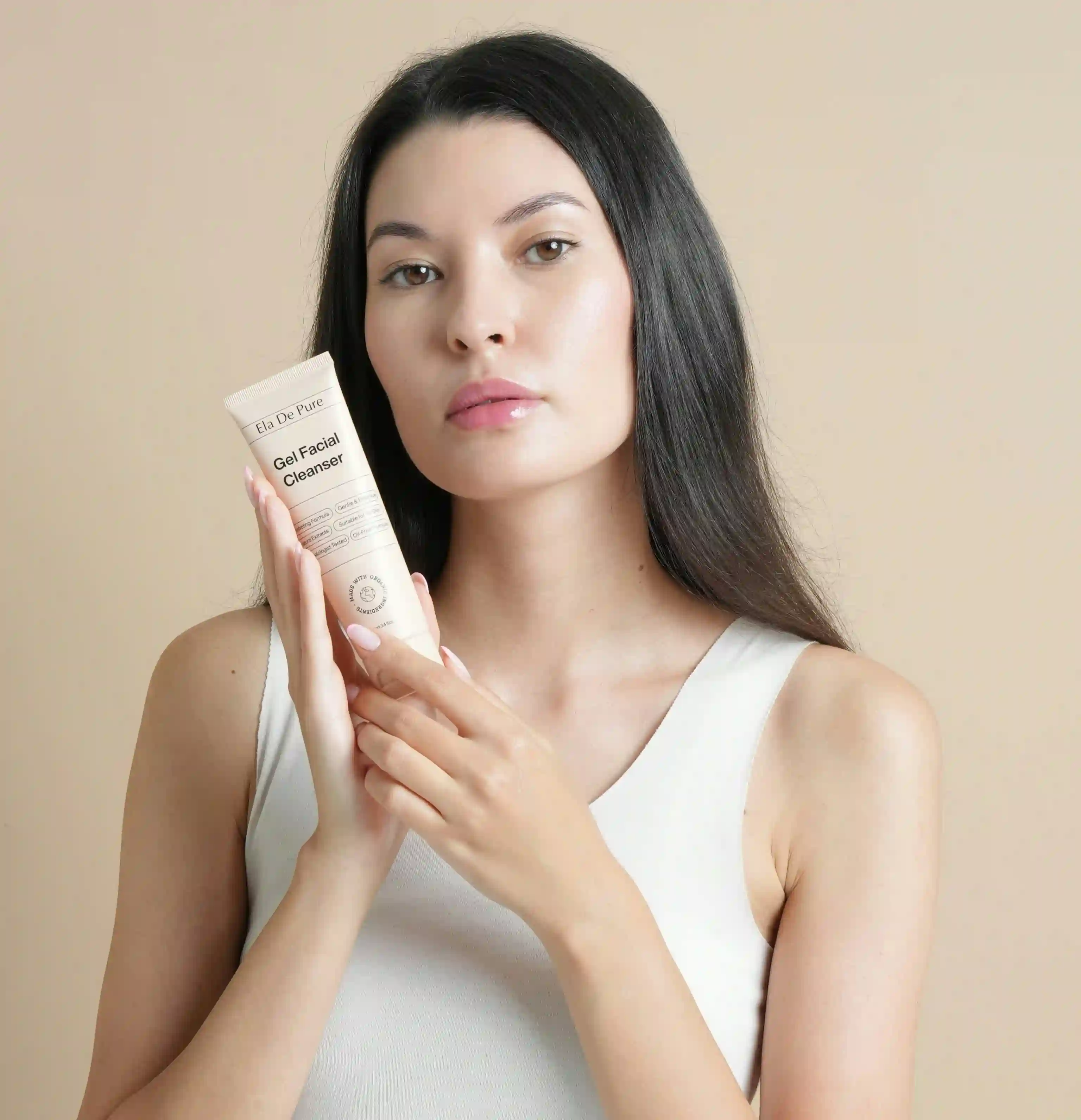
A truly simplified skin care routine is built on three non negotiable products. These address cleansing, hydration, and protection, which are the foundations of skin health.
Cleanser removes dirt, oil, sweat, sunscreen, and environmental pollutants. A gentle cleanser that does not strip the skin barrier is ideal for most people. Harsh cleansers can worsen dryness, acne, and sensitivity.
Moisturizer helps maintain the skin barrier by preventing water loss. Regardless of skin type, hydration is essential. Even oily skin benefits from a lightweight moisturizer that supports barrier function.
Sunscreen is the most important anti aging and skin cancer prevention product available. Daily use protects against ultraviolet damage, pigmentation, fine lines, and long term DNA damage. Broad spectrum protection should be applied every morning.
Together, these three products address over 90-95% of daily skin needs when used consistently.
Nice-to-haves
Once the basics are established, some people choose to add extra products for specific goals. These are optional and should never replace the core routine.
Serums such as vitamin C or niacinamide can help with brightness, uneven tone, or mild pigmentation. They are most effective when used sparingly and consistently.
Exfoliants may improve texture by removing dead skin cells, but overuse can damage the skin barrier. Chemical exfoliation once or twice weekly is usually sufficient.
Eye creams are optional and often similar in formulation to facial moisturizers. While they can feel luxurious, they are not essential for most people.
Nice-to-have products should be added slowly and discontinued if irritation develops.
Skip it
Many popular skin care products provide little benefit and may even cause harm when used excessively.
Toners are often unnecessary, especially alcohol based formulas that disrupt the skin barrier. Modern cleansers already balance skin pH effectively.
Multiple active layers can overwhelm the skin. Combining several acids, retinoids, and exfoliants increases the risk of irritation without improving results.
Trend driven products frequently rely on marketing rather than evidence. Products promoted heavily on social media often lack long term safety data.
Skipping unnecessary products reduces cost, saves time, and improves adherence to a routine that actually works.
For skin conditions
People with specific skin conditions may require targeted treatment alongside a simplified routine. However, the three core products should still remain the foundation.
Acne prone skin may benefit from a gentle cleanser and a lightweight, non comedogenic moisturizer. Prescription treatments or single active products can be added under medical guidance.
Eczema and sensitive skin require barrier focused care. Fragrance free products and minimal ingredient lists are essential to prevent flares.
Hyperpigmentation and melasma respond best to consistent sunscreen use. Without sun protection, corrective treatments are far less effective.
When in doubt, consulting a qualified healthcare professional helps tailor treatment while keeping routines simple.
Takeaway
The most effective skin care routine is not the most complicated one. A cleanser, moisturizer, and sunscreen used daily can support healthy skin at any age.
Consistency, patience, and protection matter more than product quantity. Simplifying your routine often leads to better results, fewer reactions, and a healthier relationship with skin care.
Frequently Asked Questions about Simplified Skin Care
Is a three product skin care routine really enough?
Yes, for most people a cleanser, moisturizer, and sunscreen address the core needs of skin health when used consistently every day.
Additional products may target specific concerns, but they are not necessary for maintaining healthy, resilient skin long term.
Can oily skin skip moisturizer?
No, oily skin still needs hydration to maintain a healthy skin barrier and prevent excessive oil production.
Using a lightweight moisturizer often helps balance oil levels rather than making the skin greasier.
Do men and women need different skin care routines?
Skin care needs are based on skin type and concerns, not gender, and the same basic routine applies to everyone.
Marketing differences do not reflect meaningful biological differences in how skin functions.
How long does it take to see results from a simple routine?
Most people notice improved hydration and comfort within days, while texture and tone changes develop over several weeks.
Consistent sunscreen use shows long term benefits that accumulate over months and years.
How we reviewed this article:
Our team continually monitors and updates articles whenever new information becomes available.
Written By
Ian Nathan, an MBChB Candidate, and the Healtharticles Editorial Team
Medically Reviewed By
Ian Nathan, an MBChB Candidate