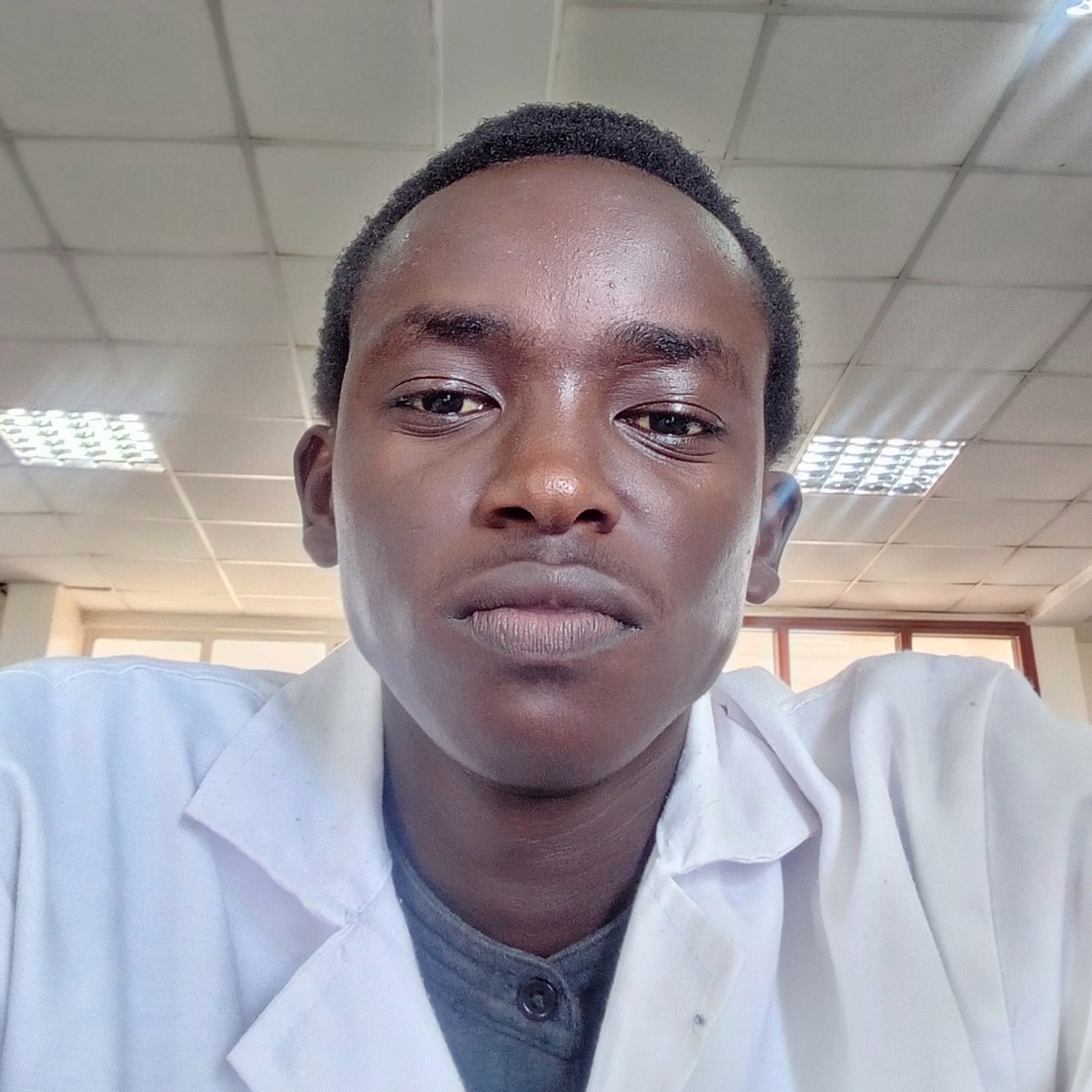
Ian Nathan
MBChB Student | Medical Writer
Last updated: April 2026
Ian Nathan is a Bachelor of Medicine and Bachelor of Surgery (MBChB) candidate at Kenyatta University, Nairobi, Kenya, and medical writer at Healtharticles. His work focuses on translating complex medical jargon into clear, accurate, and evidence-based health information for the general public.
He independently reviews all content for accuracy, consistency with established medical literature, and alignment with current clinical understanding.

Education and Training
As of 2026, Ian Nathan is a 4th year MBChB student, undertaking a 6-year medical program. Throughout his time at Kenyatta University, Ian Nathan has undergone training in the following:
1st year (2022/2023)
- Human Anatomy
- Physiology I
- Biochemistry I
- Public Health I
- Basic Life Support (BLS)

Ian Nathan during his 1st year at the Anatomy lab working on a cadaver
2nd year (2023/2024)
- Pathology I
- Physiology II
- Biochemistry II
- Public Health II
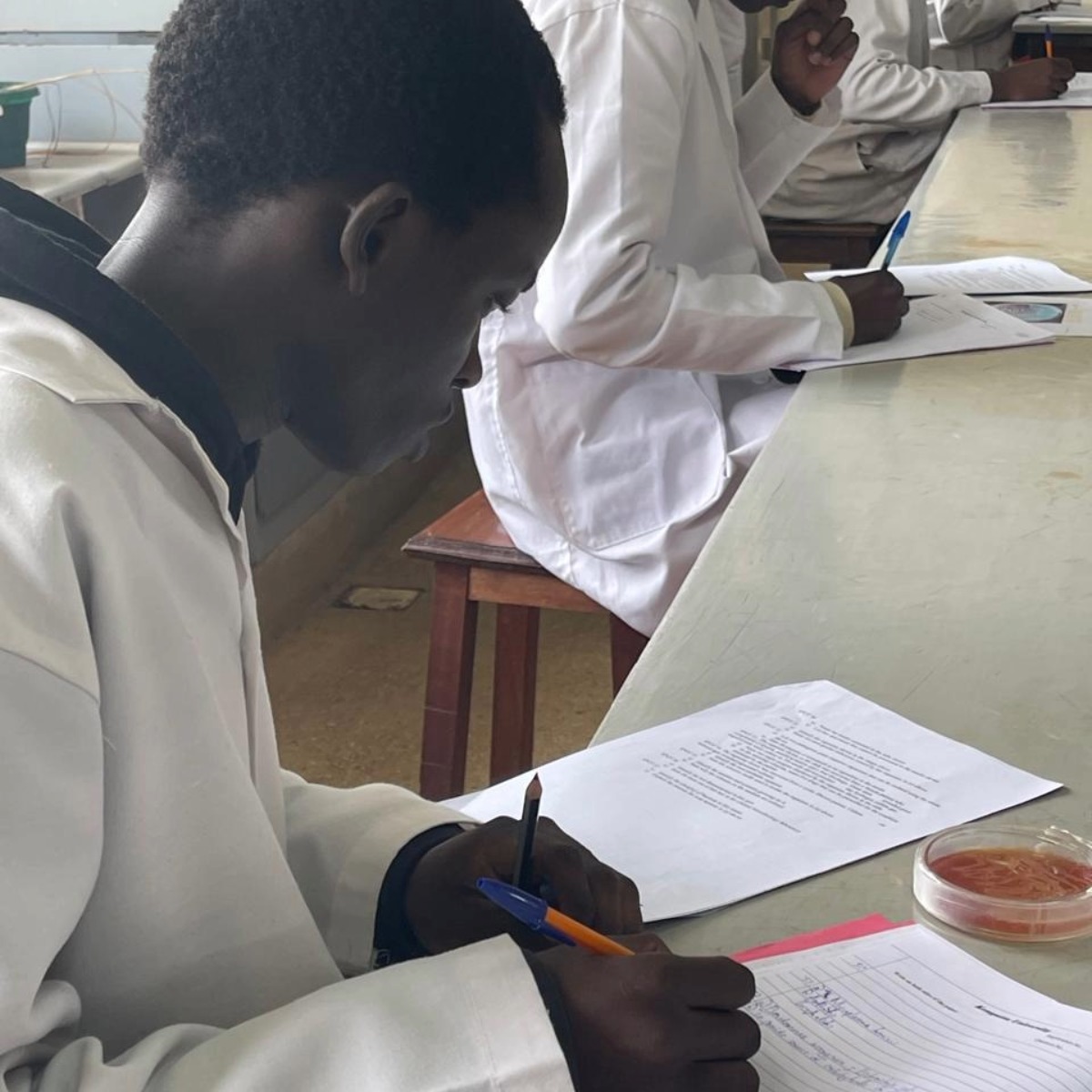
Ian Nathan during his End of 2nd Year examinations at the Pathology lab
3rd year (2024/2025)
- Pharmacology
- Internal Medicine
- General Surgery
- Psychiatry I
- Pathology II

Ian Nathan during his 3rd year clinical rotations at Kiambu Hospital, Kenya
4th year (2025/2026)
- Paediatrics I
- Gynaecology I
- Obstetrics I
- Ophthalmology
- Anaesthesiology
- Radiology
- Dentistry
- ENT (Ear, Nose, and Throat)
- CAM (Complementary and Alternative Medicine)
- Dermatology
- HIV and AIDS
- Forensic Psychiatry
A recent photo of Ian Nathan
After joining medical school back in 2022, Ian Nathan is expected to graduate with a Degree in MBChB in 2028 (Class of 2028)
Textbooks and References
All content by Ian Nathan is developed using standard medical textbooks, peer-reviewed literature, and current clinical guidelines. He adheres to established medical standards and evidence-based guidelines when developing and reviewing content. Articles are written and reviewed to ensure scientific accuracy and clarity.
For each topic, Ian Nathan uses certain textbooks by which his content is primarily based. The textbooks are the same ones used universally by MBChB students:
- Human Anatomy - Vishram Singh's Textbook of Anatomy
- Physiology - Guyton and Hall Textbook of Medical Physiology
- Biochemistry - Satyanarayana Biochemistry
- Pathology - Robbins and Cotran Pathologic Basis of Disease
- Pharmacology - Lippincott Illustrated Reviews: Pharmacology
- Clinical Medicine - Hutchison's Clinical Methods
- Psychiatry - DSM-5 (Diagnostic and Statistical Manual of Mental Disorders)
- Public Health - World Health Organization (WHO) Guidelines
- Basic Life Support (BLS) - American Heart Association (AHA) Guidelines
- Paediatrics - Nelson Textbook of Pediatrics
- Obstetrics & Gynaecology - Dewhurst Obstetrics and Gynaecology
For article-level verification and evidence synthesis, peer-reviewed research is consulted via:
- PubMed - MEDLINE database
- World Health Organization - WHO Guidelines
- Basic Life Support (BLS) - American Heart Association (AHA) Guidelines
Areas of Focus
With a strong academic background in medicine, Ian Nathan specializes in the brain and nervous system, heart health and blood pressure, metabolism and blood sugar, and gut health and digestion. He places particular emphasis on medical physiology, ensuring that all published content reflects the current medical knowledge rather than popular health myths or trends.
- Medical Physiology
- Cardiovascular Health
- Gut Health and Digestion
- Metabolism and Blood Sugar
- Neuroscience
Articles by Ian Nathan
These are some of the articles reviewed by Ian Nathan:

Why Do Some People Have Better Memory Than Others? The Physiology of Learning
Explore why some people have better memory than others through the physiology of learning. Understand memory types, neural mechanisms, synaptic plasticity, and factors influencing memory performance.
Why Do We Forget Things?
Discover why we forget things through the physiology of memory and the hippocampus. Learn how the brain encodes, stores, and retrieves memories.
Why Do I Get Headaches When I Don't Eat? Blood Sugar and Brain Physiology
Learn why skipping meals causes headaches. Explore blood sugar regulation, brain metabolism, hypothalamic glucose sensing, and fasting-induced migraine triggers, with prevention and management strategies backed by medical research.
Why Do I Feel Tired After Eating a Big Meal? The Physiology of Post-Meal Metabolism
Why do you feel tired after eating a big meal? Learn the medical physiology behind post-meal fatigue, including digestion, insulin response, gut hormones, and circadian rhythms.
Why Does My Heart Rate Increase After Eating? A Comprehensive Medical Physiology Explanation
Why does your heart rate increase after eating? Learn the medical physiology behind postprandial tachycardia, digestion, blood flow, and hormones.
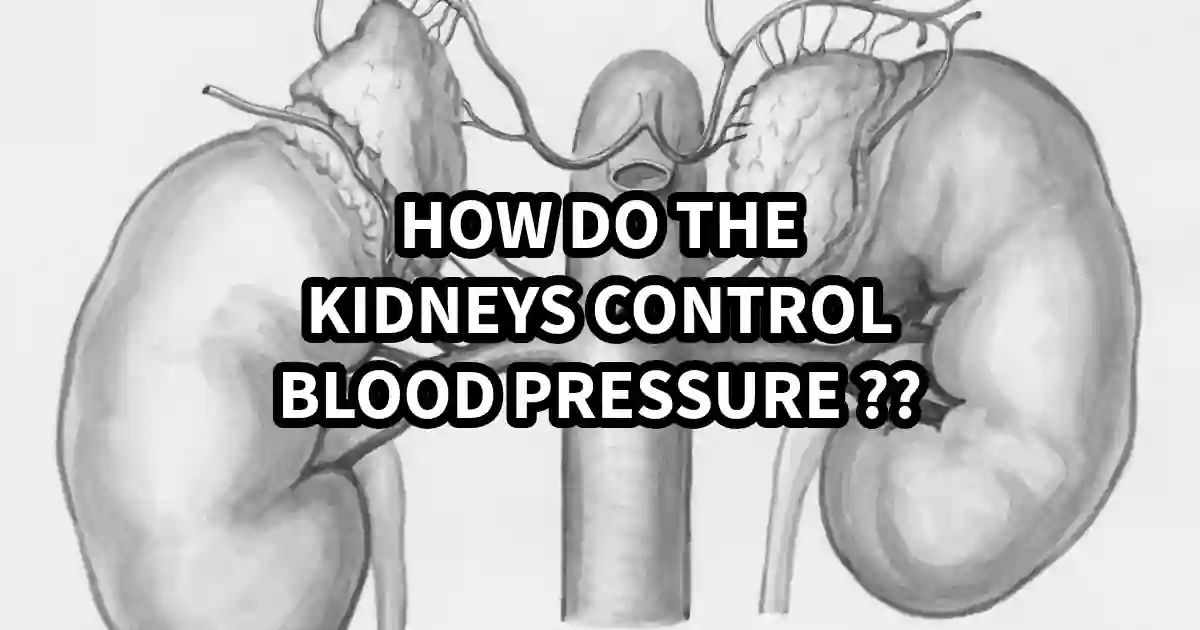
How Do the Kidneys Control Blood Pressure? A Comprehensive Medical Physiology Guide
How do the kidneys control blood pressure? Learn the medical physiology behind RAAS, sodium balance, pressure natriuresis, and renal mechanisms that regulate long-term blood pressure.

Why Do I Feel Like Going to the Toilet When I'm Anxious?
Why does anxiety make you feel like you need to poop? Learn the medical physiology behind stress, the gut-brain axis, and why anxiety affects bowel movements.
Why Do I Get Diarrhea After Eating a Lot of Fatty Meat?
Discover why eating large amounts of fatty meat can cause diarrhea. Learn how fat digestion affects the gut, including bile, pancreatic enzymes, gut microbiota, and tips to prevent digestive discomfort.
Get in Touch
The best way to contact Ian Nathan is via email.
Email: healtharticles254@gmail.com
His average response time is usually less than 24 hours, but response times may vary depending on message volume.
You can also connect with Ian Nathan on LinkedIn.
Medical Disclaimer
Healtharticles is an educational platform dedicated to explaining everyday health conditions using medical physiology and evidence-based medicine.
Content authored or reviewed by Ian Nathan is intended for educational and informational purposes only and does not constitute medical advice. It should not be used as a substitute for professional medical diagnosis or treatment. Always consult a qualified healthcare provider regarding any medical concerns.