HEART HEALTH
and
BLOOD PRESSURE
Understanding Heart Health and Blood Pressure Regulation
Heart health and blood pressure are closely regulated by the cardiovascular, nervous, and renal systems to ensure adequate blood flow and oxygen delivery throughout the body. Blood pressure reflects the force exerted by circulating blood against the walls of blood vessels, and it must be tightly controlled to maintain organ function.
This regulation involves cardiac output, vascular resistance, and fluid balance, coordinated through mechanisms such as the autonomic nervous system, the renin-angiotensin-aldosterone system (RAAS), and vascular tone. These systems adjust heart rate, vessel constriction, and blood volume in response to the body's needs.
Many everyday experiences — such as an increased heart rate after eating, blood pressure changes during stress, or age-related increases in blood pressure — are linked to these physiological mechanisms. Understanding these processes can help explain how the body maintains circulation and how imbalances may contribute to cardiovascular conditions.
In this section, you can explore detailed explanations of these processes, including:
TACHYCARDIA (FAST HEART RATE)
These articles explore tachycardia (increased heart rate), including how physiological processes such as digestion, autonomic nervous system activation, and metabolic demand can temporarily elevate heart rate. They also explain how blood flow redistribution and cardiovascular responses contribute to post-meal heart rate changes.

Why Does My Heart Beat Fast for No Reason? Causes of Tachycardia Explained
Fast heart rate explained: causes of tachycardia, symptoms, when to worry, ECG insights, and how to manage a racing heartbeat naturally.

Why Does My Heart Rate Increase After Eating? A Comprehensive Medical Physiology Explanation
Why does your heart rate increase after eating? Learn the medical physiology behind postprandial tachycardia, digestion, blood flow, and hormones.
BLOOD PRESSURE REGULATION
These articles examine how blood pressure is regulated through coordinated interactions between the heart, blood vessels, and kidneys. Key mechanisms include cardiac output, vascular resistance, and hormonal systems such as the renin-angiotensin-aldosterone system (RAAS), which maintain stable circulation and long-term blood pressure control.

Why Does My Blood Pressure Fluctuate Throughout the Day: A Comprehensive Physiological and Clinical Analysis of Blood Pressure Variability
Learn why your blood pressure fluctuates throughout the day, the physiological mechanisms behind variability, and when these changes may signal an underlying health issue.
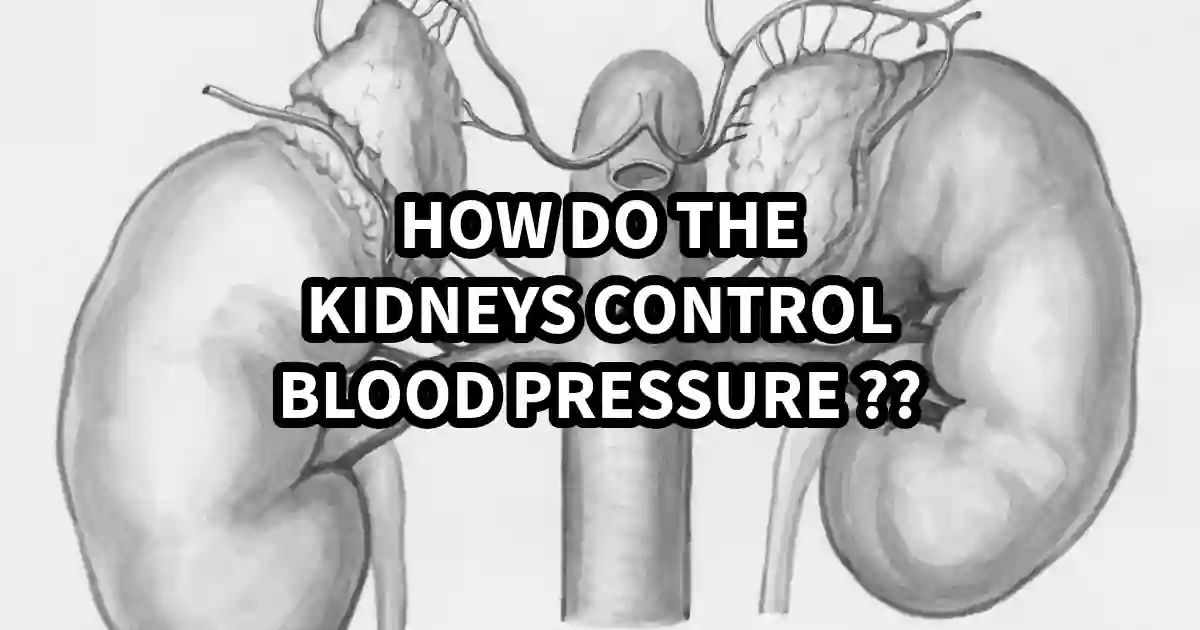
How Do the Kidneys Control Blood Pressure? A Comprehensive Medical Physiology Guide
How do the kidneys control blood pressure? Learn the medical physiology behind RAAS, sodium balance, pressure natriuresis, and renal mechanisms that regulate long-term blood pressure.
HYPERTENSION (HIGH BLOOD PRESSURE)
These articles focus on hypertension (high blood pressure), including its physiological mechanisms, triggers, and effects on the body. Topics include stress-induced blood pressure changes, age-related vascular alterations, and how sustained elevation in blood pressure impacts the heart, blood vessels, kidneys, and brain.

Why Does My Blood Pressure Spike When I'm Stressed?
Why does blood pressure rise during stress? Learn the medical physiology behind stress-induced hypertension, including the role of the nervous system, hormones, and blood vessels.

What Happens Inside the Body During High Blood Pressure?
What happens inside the body during high blood pressure? Learn the medical physiology of hypertension, including heart, vessel, kidney, and brain effects.

Why Does Blood Pressure Increase as We Age?
Discover why blood pressure rises with age, the role of arterial stiffness and isolated systolic hypertension, and research-backed ways to reduce cardiovascular risk.