What Happens Inside the Body During High Blood Pressure?
High blood pressure, also called hypertension, is one of the most common chronic conditions in the world. Yet many people have little understanding of what is happening inside the body when blood pressure becomes consistently elevated.
What starts as a measurement on a cuff translates into a complex inter-organ physiological cascade that affects every major organ system.
In this article, we explore exactly what happens inside the body during high blood pressure — from the level of blood vessels and heart dynamics to hormonal regulation and end organ effects.
Definition and Importance of Blood Pressure
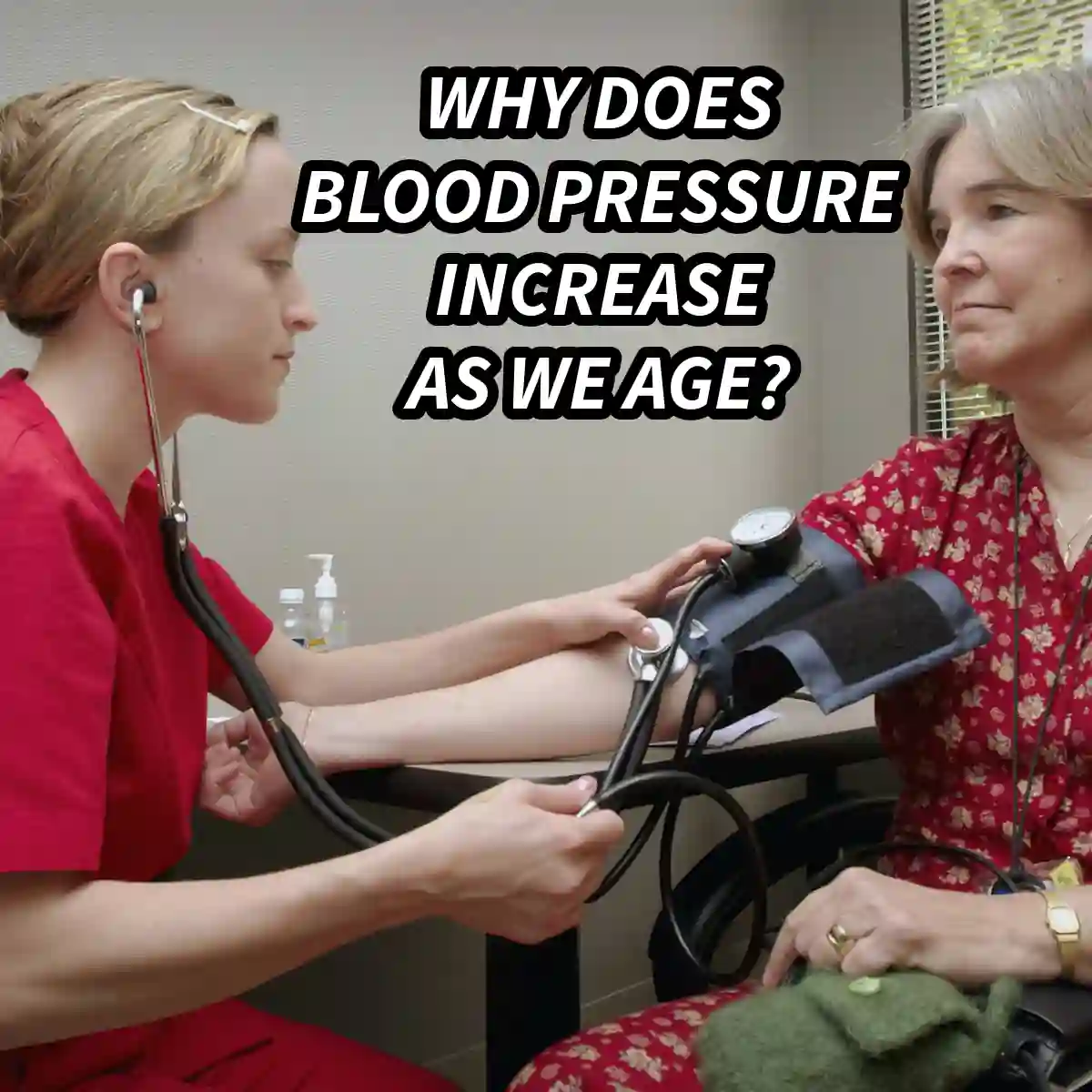
Blood pressure is the force of circulating blood against the walls of the arteries as the heart pumps blood throughout the body. It is expressed as two numbers: systolic pressure (when the heart contracts) over diastolic pressure (when the heart relaxes). A measurement consistently above 130/80 mm Hg in adults is generally considered hypertension according to many clinical guidelines.
Blood pressure exists because the heart must deliver oxygen-rich blood to tissues, and the vasculature must provide resistance against which the heart pumps. The body normally maintains blood pressure within a relatively narrow range to ensure optimal organ perfusion without causing damage to blood vessels and tissues. When this balance is lost and blood pressure remains elevated, a multitude of internal changes occur.
The Basic Physiology of Blood Pressure Control
To understand what happens in high blood pressure, it is crucial to first understand how blood pressure is normally regulated. The body uses three main mechanisms to control blood pressure:
- Cardiac Output — the amount of blood the heart pumps per minute.
- Peripheral Vascular Resistance — the resistance of blood flowing through the arteries and arterioles.
- Blood Volume — how much fluid is in the circulatory system.
All of these mechanisms are integrated by neural, hormonal, and renal (kidney) systems that work together to maintain stable blood pressure under varying conditions such as exercise, rest, and stress. Any disruption to this homeostasis can lead to sustained high blood pressure.
a) Neural Control: Autonomic Nervous System
Part of blood pressure regulation occurs through the autonomic nervous system, particularly the sympathetic nervous system (SNS). When activated, the SNS increases heart rate and prompts blood vessels to constrict, which raises blood pressure. The brainstem integrates signals from pressure-sensitive nerves called baroreceptors and sends out sympathetic or parasympathetic (rest-and-digest) responses to keep pressure within normal limits.
In many cases of hypertension, there is enhanced sympathetic activation contributing to persistent vasoconstriction and heightened cardiac output — an important physiological contributor to sustained elevated arterial pressure. Hypertension Research shows that the sympathetic nervous system plays a central role in the pathophysiology of hypertension by increasing nerve signals that narrow blood vessels and sustain high arterial resistance.
b) Hormonal Control: Renin-Angiotensin-Aldosterone System
One of the most important hormonal regulators of blood pressure is the renin-angiotensin-aldosterone system (RAAS). When the body senses decreased blood pressure or low blood flow to the kidneys, specialized cells in the kidney release renin. Renin converts angiotensinogen (a protein made in the liver) into angiotensin I, which is then converted into angiotensin II by the enzyme angiotensin-converting enzyme (ACE) found primarily in the lungs.
Angiotensin II is an extremely potent vasoconstrictor — meaning it causes the smooth muscle in artery walls to tighten, narrowing the vessel lumen. This increases peripheral resistance and raises blood pressure. Angiotensin II also stimulates the release of the hormone aldosterone from the adrenal glands. Aldosterone causes the kidneys to retain sodium and water, increasing blood volume and further boosting blood pressure. Classic physiologic research from the National Library of Medicine clearly demonstrates this hormone cascade as a principal regulator of systemic arterial pressure and blood volume.
c) Kidney Function and Fluid Balance
The kidneys are central to blood pressure regulation because they control how much sodium and water the body holds onto or excretes. When blood pressure is high, the kidneys usually try to remove excess fluid to reduce blood volume and bring pressure down — a process mediated by hormones such as atrial natriuretic peptide (ANP).
However, when kidneys themselves are damaged or when hormonal signals mistakenly promote sodium retention over excretion, blood volume remains high. This increased circulating volume exerts more pressure on the blood vessel walls, keeping blood pressure elevated even at rest. This disrupted kidney response is a key element in many cases of sustained hypertension. The interaction between kidney function and neural regulation is also significant; for instance, renal sympathetic nerves can influence renin release and blood pressure, highlighting the cross-talk between systems as documented in research on renin and autonomic nervous system interactions.
Pathophysiology: What Happens When Blood Pressure Stays High?
When blood pressure remains chronically elevated, the body attempts to adapt — but these adaptations often cause harm. Sustained high blood pressure puts a constant strain on blood vessel walls, the heart, kidneys, brain, and other organs. Below we explore the major physiologic changes at various levels.
1. Blood Vessels: From Elasticity to Stiffness
Healthy arteries are elastic. They expand when the heart pumps blood into them and recoil when the heart relaxes, helping to maintain continuous flow. This elasticity — part of the so-called Windkessel effect — smooths out the pulsatile force produced by the beating heart.
In hypertension, arteries gradually lose their elasticity due to chronic exposure to high pressure, increased wall tension, and biochemical damage to the vessel wall. The vessels become thicker and stiffer — a process that both increases peripheral resistance and reduces their ability to buffer changes in pressure. This stiffening requires the heart to work even harder to pump blood out with each beat, creating a vicious cycle that perpetuates high blood pressure and vessel injury.
At the microscopic level, endothelial cells (which line the inner surface of blood vessels) begin to show dysfunction. Endothelial dysfunction interferes with the production of vasodilators (like nitric oxide) and increases vasoconstrictor substances. This imbalance accelerates vascular narrowing and inflammation.
2. Heart: Afterload, Remodeling, and Left Ventricular Hypertrophy
The heart must pump against the resistance created by the systemic blood vessels. In hypertension, this resistance (called afterload) is constantly elevated. The heart compensates through a process known as cardiac remodeling, especially in the left ventricle — the chamber responsible for pumping oxygenated blood to the body.
The muscle fibers of the left ventricle thicken (a condition called left ventricular hypertrophy) to generate enough force to overcome high peripheral resistance. Initially, this helps maintain cardiac output. However, over time, the thickened heart muscle becomes less efficient, less compliant, and more prone to arrhythmias and eventual heart failure.
In addition to hypertrophy, chronic high blood pressure can lead to structural changes in the heart's microvasculature and interstitial fibrosis (scarring) — all of which impair the heart's ability to relax during diastole and to fill properly. Over time, these adaptations can progress to symptomatic heart disease.
3. Kidneys: Damage From the Inside
The kidneys contain many tiny blood vessels called glomeruli that filter waste and regulate fluid balance. High blood pressure increases pressure inside these delicate vessels, causing structural damage and thickening of the vessel walls. Over time, this process reduces the kidneys' filtering ability and can ultimately lead to chronic kidney disease or kidney failure.
Hypertension is both a cause and a consequence of kidney dysfunction. When the kidneys are damaged, they may release more renin inappropriately, further stimulating the RAAS and exacerbating hypertension. Additionally, damaged kidneys lose the ability to regulate blood volume effectively, creating a self-sustaining cycle of high blood pressure and renal impairment.
4. Brain: Stroke, Cognitive Effects, and Autoregulatory Damage
The brain has a sophisticated autoregulatory system that maintains a relatively constant cerebral blood flow despite changes in blood pressure. However, chronic hypertension gradually impairs this autoregulation. High pressure increases the risk of both ischemic and hemorrhagic strokes. In ischemic stroke, a clot obstructs blood flow to part of the brain; in hemorrhagic stroke, blood vessel rupture due to weakened vessel walls floods brain tissue with blood.
Sustained high blood pressure also contributes to small vessel disease in the brain, leading to white matter changes seen on imaging. These microvascular changes are associated with cognitive decline and increased risk of dementia. Clearly, hypertension is not just a “silent” number — it has profound and visible effects on cerebral function.
5. Eyes: Retinopathy and Vision Loss
The retina — the part of the eye that senses light — is richly supplied with blood vessels. When systemic blood pressure is persistently elevated, retinal vessels can become narrowed, hemorrhaged, or swollen. This condition, called hypertensive retinopathy, can impair vision and in severe cases lead to blindness.
The retina is unique because it is one of the few places where clinicians can directly visualize microvascular damage. Changes seen during an eye exam often reflect similar damage occurring throughout the body's smaller vessels.
End Organ Damage: The Cumulative Effect
When high blood pressure is sustained over time without effective management, it leads to end organ damage — structural and functional impairments of organs that are highly vascular and sensitive to changes in perfusion pressure. These include the heart, kidneys, brain, and eyes. At a cellular level, critically high pressure damages the inner walls of blood vessels, promotes inflammation, and impairs oxygen and nutrient delivery — a vicious combination that gradually leads to tissue death and organ dysfunction.
Feedback and Compensation Mechanisms
The body constantly attempts to restore normal blood pressure through compensatory feedback loops. For example, when blood pressure increases, sensors in the arteries signal the brain to decrease sympathetic activity and increase parasympathetic (vagus nerve) output, slowing the heart rate and promoting vessel dilation. Additionally, the kidneys can increase sodium excretion and reduce fluid volume via mechanisms like atrial natriuretic peptide release.
However, in chronic hypertension, these feedback systems become maladaptive. Persistent high pressure desensitizes baroreceptors (pressure sensors), diminishing their ability to correct elevated blood pressure. The balance between systems shifts toward continued vasoconstriction and fluid retention despite high pressure, further worsening the condition.
Conclusion: The Internal Reality of High Blood Pressure
In high blood pressure, what starts as a simple elevation in a numerical measurement reflects a multi-system physiological disturbance. Neural, hormonal, and renal systems — meant to regulate and stabilize blood pressure — instead contribute to sustained elevation of arterial pressure when dysregulated. Chronic hypertension alters blood vessel structure, overwhelms the heart, injures the kidneys, harms the brain, and damages microcirculation in the eyes and other organs.
Fortunately, understanding these processes has allowed the development of effective therapies that target specific mechanisms of blood pressure control — including drugs that dilate blood vessels, modulate RAAS activity, reduce sympathetic stimulation, and improve kidney function. Awareness of the internal mechanics of blood pressure not only highlights the dangers of uncontrolled hypertension but also underscores the importance of early detection and sustained management through lifestyle changes and medical care.
If you or someone you know has high blood pressure, timely consultation with a healthcare provider can help prevent the silent internal damage that unfolds over years of uncontrolled elevation. With proper care, it is possible to protect organs, improve quality of life, and reduce the risks of cardiovascular events.
References
- Whelton PK, Carey RM, Aronow WS, et al. 2017 Guideline for the Prevention, Detection, Evaluation, and Management of High Blood Pressure in Adults. Journal of the American College of Cardiology. https://www.jacc.org/doi/10.1016/j.jacc.2017.11.006
- Hall JE, Guyton AC. Role of the Kidneys in Long-Term Control of Arterial Pressure and in Hypertension. Guyton and Hall Textbook of Medical Physiology. https://pubmed.ncbi.nlm.nih.gov/10619573/
- Esler M. The Sympathetic Nervous System in Hypertension. Hypertension Research. https://www.nature.com/articles/s41440-026-02589-6
- Carey RM, Siragy HM. The Renin-Angiotensin-Aldosterone System in Hypertension. Endocrine Reviews. https://pubmed.ncbi.nlm.nih.gov/3293405/
- National Heart, Lung, and Blood Institute (NHLBI). High Blood Pressure Overview. https://www.nhlbi.nih.gov/health/high-blood-pressure
- World Health Organization (WHO). Hypertension Fact Sheet. https://www.who.int/news-room/fact-sheets/detail/hypertension
- Oparil S, Acelajado MC, Bakris GL, et al. Hypertension. Nature Reviews Disease Primers. https://www.nature.com/articles/nrdp201418
How we reviewed this article:
Our team continually updates articles whenever new information becomes available.
Written and Medically Reviewed by Ian Nathan, MBChB Candidate, on 4th March 2026