Why Does My Heart Beat Fast for No Reason? Causes of Tachycardia Explained
The sensation of a racing heart, known clinically as palpitations or tachycardia, can be deeply unsettling. When your heart begins to pound or flutter while you are simply sitting on the couch or lying in bed, the immediate question is: why?
From a physiological perspective, a fast heart rate is rarely "for no reason." Instead, it is usually a precise response to internal or external stimuli that have triggered the body's complex regulatory systems. Understanding the "why" behind these episodes requires a deep dive into the heart's electrical conduction system and the various factors that can influence it.
In medical terms, tachycardia is defined as a resting heart rate that exceeds 100 beats per minute (BPM). While the heart naturally speeds up during exercise or moments of intense fear, "inappropriate" tachycardia occurs when the heart rate rises without an obvious physical or emotional stressor.
This article explores the intricate physiological mechanisms behind an elevated heart rate and the various conditions that can cause it. By examining the roles of hormones, electrolytes, and the autonomic nervous system, we can begin to demystify these sudden heart rate spikes.
Understanding the electrical conduction system of the heart is the first step in demystifying these episodes. The heart relies on a specialized network of cells that generate and distribute electrical impulses. When this system is disrupted by hormones, electrolyte imbalances, or structural changes, the result is often a rapid, irregular, or forceful heartbeat. This disruption can occur at various points in the electrical pathway, leading to different types of tachycardia, each with its own set of causes and implications.
The Physiology of the Heartbeat: The SA Node and Beyond
To understand why the heart beats fast, we must first look at the Sinoatrial (SA) node. Often called the "natural pacemaker," the SA node is located in the right atrium. It generates electrical signals that cause the heart muscles to contract in a coordinated fashion. Under normal circumstances, the SA node maintains a steady rhythm between 60 and 100 BPM. This rhythm is the baseline for all cardiac activity and is vital for maintaining consistent blood flow throughout the body.
The Autonomic Nervous System (ANS) acts as the heart's remote control. It consists of two main branches: the sympathetic nervous system, which acts like an accelerator (the "fight or flight" response), and the parasympathetic nervous system, which acts like a brake (the "rest and digest" response). According to the American Heart Association's guidelines on arrhythmias, an imbalance between these two systems is a primary driver of sudden heart rate spikes, particularly during stress-related hypertension. This balance is constantly shifting in response to internal and external cues, ensuring the heart can meet the body's changing demands.
When the sympathetic nervous system dominates, it releases norepinephrine. This chemical binds to beta-adrenergic receptors on the heart, increasing both the heart rate and the force of contraction. Conversely, the parasympathetic system releases acetylcholine via the vagus nerve to slow things down. If the vagus nerve is "underactive," the heart may race even in the absence of stress. This dynamic interplay is essential for homeostasis, and any disruption can lead to a variety of symptoms, including tachycardia.
The conduction system also involves the Atrioventricular (AV) node, the bundle of His, and the Purkinje fibers. These components ensure that the electrical signal travels from the atria to the ventricles in a timed and orderly fashion. Any delay or "short circuit" in this pathway can lead to a rapid heartbeat. For instance, in some people, an extra pathway exists, leading to a condition called Wolff-Parkinson-White syndrome, which can cause sudden bouts of very fast heart rates.
The Role of Electrolytes in Cardiac Stability
Electrolytes are minerals in your blood and other body fluids that carry an electric charge. They are essential for the proper functioning of nerves and muscles, including the heart. The most important electrolytes for heart health are potassium, sodium, calcium, and magnesium. Each of these plays a specific role in the electrical signaling that governs the heartbeat. When the levels of these minerals are too high or too low, the heart's electrical stability is compromised.
Potassium is crucial for the repolarization of heart cells after each beat. If potassium levels are too low, a condition called hypokalemia, the heart cells may become overly excitable, leading to extra beats or a rapid rhythm. Electrolyte imbalances are a common but often overlooked cause of palpitations. Ensuring an adequate intake of potassium-rich foods like bananas, spinach, and potatoes is a simple but effective way to support heart health (PubMed - Electrolyte disorders and arrhythmogenesis).
Magnesium also plays a vital role in stabilizing the heart's electrical activity. It acts as a natural calcium channel blocker, helping to regulate the flow of calcium into heart cells. This prevents the heart from becoming too "irritable" and reduces the likelihood of arrhythmias. Magnesium deficiency is surprisingly common and can be caused by factors like poor diet, certain medications, and chronic stress. Supplementing with magnesium or increasing your intake of magnesium-rich foods like nuts, seeds, and whole grains can often help to calm a racing heart. This is particularly relevant after meals, where digestive and metabolic changes can also influence cardiovascular responses, leading to post-meal physiological shifts.
Calcium is necessary for the actual contraction of the heart muscle. If calcium levels are imbalanced, it can affect both the strength and the rhythm of the heartbeat. Sodium, while primarily involved in maintaining blood pressure and fluid balance, also contributes to the electrical signaling process. A diet that is excessively high in sodium can lead to hypertension, which in turn puts extra strain on the heart and can contribute to tachycardia over time.
Dehydration and Its Impact on Heart Rate
One cause people often overlook? Dehydration. When you are dehydrated, your total blood volume decreases. To compensate for this, the heart has to beat faster to maintain blood pressure and ensure that oxygen and nutrients are delivered to your organs and tissues. This is known as compensatory tachycardia. It is your body's way of trying to maintain homeostasis in the face of fluid loss.
The effects of dehydration can be subtle. You might not even feel thirsty, but your heart rate could be elevated. Other signs of dehydration include dark-colored urine, dry mouth, and fatigue. In some cases, dehydration can also lead to a drop in blood pressure when you stand up, which triggers a further increase in heart rate. This is particularly common in hot weather, after intense exercise, or when you are ill with a fever or vomiting.
Proper hydration is not just about drinking water. It also involves maintaining the balance of electrolytes in your body. When you sweat, you lose both water and minerals. Replacing these with electrolyte-rich beverages or a balanced diet is essential for preventing dehydration-related tachycardia. Chronic dehydration can put a significant strain on the cardiovascular system and should be addressed through consistent fluid intake throughout the day.
In some people, even mild dehydration can trigger palpitations. This is especially true for those who are already prone to tachycardia or who have underlying heart conditions. If you find that your heart rate often spikes when you haven't been drinking enough water, it's a clear sign that you need to be more mindful of your fluid intake. Keeping a water bottle with you and sipping on it regularly is a simple habit that can have a big impact on your heart health.
Hormonal Influences: Thyroid and Adrenal Glands
The endocrine system, which produces and regulates hormones, has a powerful influence on the heart. The thyroid gland and the adrenal glands are two of the most important players in this regard. Hormones like thyroxine and adrenaline can directly affect the heart rate and the force of contraction. When these hormones are out of balance, the result can be a persistently fast or irregular heartbeat. Metabolic factors also play a role, and fluctuations in energy balance or glucose levels, such as those in post-meal blood sugar crashes, can indirectly contribute to palpitations.
An overactive thyroid gland, or hyperthyroidism, is a well-known cause of tachycardia. When the thyroid produces too much thyroxine, it speeds up the body's metabolism and makes the heart more sensitive to sympathetic signals. This can lead to a resting heart rate that is consistently above 100 BPM. According to the Endocrine Society, hyperthyroidism can also lead to other cardiac issues, such as atrial fibrillation, if left untreated.
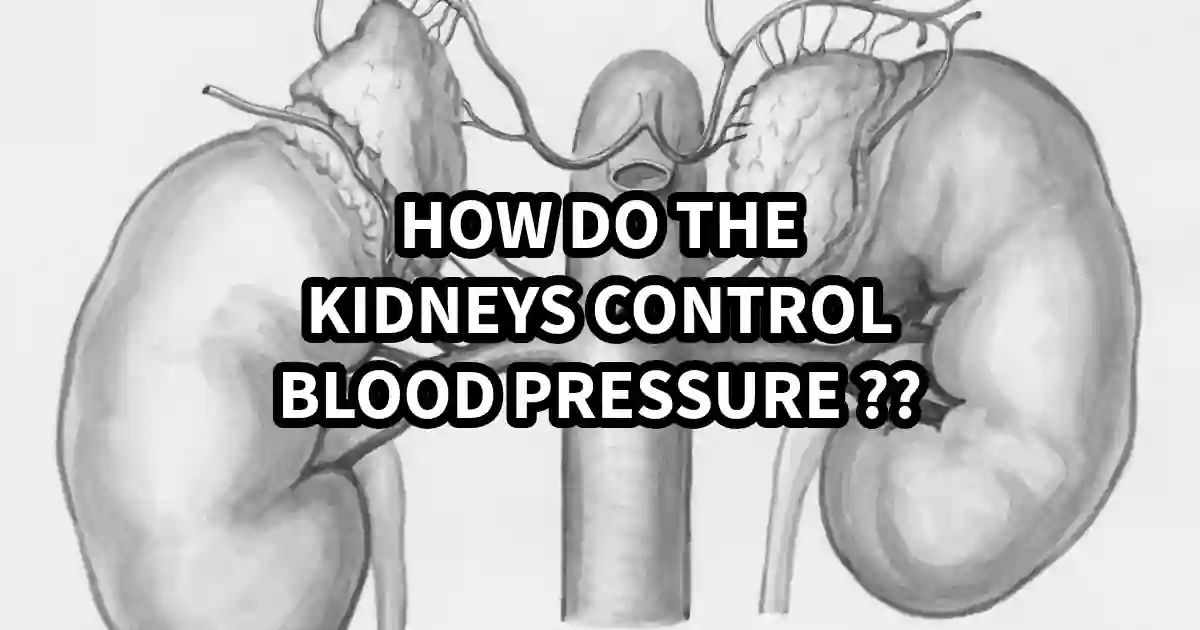
The adrenal glands produce adrenaline and noradrenaline, the body's primary "fight or flight" hormones. These are released in response to stress, fear, or physical activity, and they cause an immediate increase in heart rate. However, some people have conditions where these hormones are released inappropriately. One such condition is pheochromocytoma, a rare tumor of the adrenal glands that causes sudden surges of adrenaline, leading to episodes of severe tachycardia and high blood pressure.
Cortisol, another hormone produced by the adrenal glands, also plays a role. Often called the "stress hormone," cortisol helps the body respond to long-term pressure. However, chronic elevation of cortisol can lead to a variety of health problems, including increased heart rate and blood pressure. This is one of the ways that chronic stress can have a direct and measurable impact on your cardiovascular health. Finding healthy ways to manage stress is essential for keeping your hormones and your heart in balance.
Anxiety, Panic, and the Autonomic System
Anxiety is one of the most common causes of a racing heart. When you feel anxious or panicky, your body's sympathetic nervous system goes into overdrive, releasing a flood of adrenaline. This is a natural and healthy response to a perceived threat, but in the case of an anxiety disorder, the threat is often not real or is greatly exaggerated. The result is a heart rate that spikes for "no reason," at least none that is immediately obvious.
A panic attack is an extreme form of anxiety that can come on suddenly and without warning. During a panic attack, the physical symptoms can be so intense that people often think they are having a heart attack. These symptoms include a racing heart, chest pain, shortness of breath, and sweating. While a panic attack itself is not dangerous, the experience can be deeply traumatic and can lead to a cycle of fear and further anxiety, which only worsens the tachycardia.
Chronic anxiety can also lead to a persistently high heart rate. This is due to the constant state of hyper-vigilance that the body is in. Over time, this can desensitize the vagus nerve and reduce heart rate variability, which is a key marker of a healthy cardiovascular system. Managing anxiety through therapy, meditation, or medication can not only improve your mental health but also lead to a calmer and more stable heart rate.
The "interoceptive" loop is a phenomenon where people become overly focused on their internal bodily sensations, such as their heartbeat. This heightened awareness can lead to increased anxiety, which then causes the heart rate to rise further, creating a self-reinforcing cycle. Breaking this loop often requires techniques that help individuals to redirect their attention and to reinterpret their bodily sensations in a less threatening way.
The Impact of Stimulants and Lifestyle Choices
The things we put into our bodies can have a direct impact on our heart rate. Stimulants like caffeine and nicotine are two of the most common culprits. Caffeine blocks the receptors for adenosine, a chemical that normally helps to slow the heart down. This can lead to an increase in heart rate and blood pressure, especially in people who are sensitive to it. Nicotine is also a potent stimulant that increases the release of adrenaline, causing the heart to beat faster.
Alcohol can also affect heart rate, although its effects are more complex. While a small amount of alcohol may have a temporary slowing effect, larger amounts can lead to a rapid heart rate. This is sometimes called "holiday heart syndrome," a condition where excessive drinking triggers a sudden bout of atrial fibrillation. Alcohol can also interfere with the electrical signaling in the heart and can lead to dehydration and electrolyte imbalances, all of which can contribute to tachycardia.
Dietary choices can also play a role. Some people find that their heart rate spikes after a large meal, especially one that is high in carbohydrates or sugar. This is known as postprandial tachycardia. It occurs because the body has to divert a significant amount of blood to the digestive system, which requires the heart to work harder. Additionally, the release of insulin in response to sugar can sometimes trigger a sympathetic response, leading to a faster heartbeat.
Regular exercise is generally good for the heart, but it's important to build up gradually. Overtraining can lead to a consistently high heart rate and other symptoms of fatigue. On the other hand, a lack of exercise can lead to poor cardiovascular fitness, which means the heart has to work harder even at rest. Finding a balance and engaging in regular, moderate activity is the best way to keep your heart strong and your resting heart rate low.
Sleep Disorders and Heart Rate
Sleep is a vital time for the body to rest and recover, but for many people, sleep is disrupted by various disorders that can affect heart rate. Sleep apnea is one of the most serious of these. It's a condition where breathing repeatedly stops and starts during sleep. These pauses in breathing lead to sudden drops in blood oxygen levels, which triggers a surge in adrenaline and a rapid heart rate. Over time, untreated sleep apnea can lead to a host of cardiovascular problems, including hypertension and heart failure.
Insomnia, or chronic difficulty falling or staying asleep, can also impact heart rate. Lack of sleep is a major source of stress for the body, leading to increased levels of cortisol and adrenaline. People who are sleep-deprived often have a higher resting heart rate and reduced heart rate variability. Improving sleep hygiene—such as by maintaining a consistent sleep schedule and creating a relaxing bedtime routine—is an important part of any strategy for managing tachycardia.
Restless legs syndrome (RLS) and periodic limb movement disorder (PLMD) can also disrupt sleep and lead to increased heart rate during the night. These conditions involve involuntary movements of the legs that can wake a person up or prevent them from reaching the deeper, more restorative stages of sleep. Addressing these issues with a healthcare provider can help to improve sleep quality and stabilize the nighttime heart rate.
The relationship between sleep and heart rate is a two-way street. Not only can sleep disorders affect heart rate, but a high heart rate can also make it difficult to fall asleep. If your heart is racing when you lie down at night, it can be a sign of underlying stress, anxiety, or one of the physiological triggers discussed earlier. Understanding and addressing the cause of this nighttime tachycardia is essential for getting the rest your body needs.
Identifying and Managing Specific Arrhythmias
Not all cases of tachycardia are benign. Some are caused by specific arrhythmias, or irregular heart rhythms, that require medical attention. Atrial fibrillation (AFib) is the most common of these. It occurs when the upper chambers of the heart, the atria, quiver instead of beating effectively. This can lead to blood pooling in the atria, which increases the risk of blood clots and stroke. AFib often causes a rapid and irregular pulse and may be accompanied by shortness of breath and fatigue.
Supraventricular tachycardia (SVT) is another common arrhythmia. It involves a "short circuit" in the heart's electrical system above the ventricles, leading to sudden bouts of a very fast heartbeat. These episodes can last for a few seconds or several hours and can be quite frightening. SVT is often caused by an extra electrical pathway or a malfunctioning node, and it can usually be treated with medication or a procedure called catheter ablation.
Ventricular tachycardia (VT) is a more serious type of arrhythmia that originates in the heart's lower chambers, the ventricles. This can be life-threatening as it prevents the heart from pumping enough blood to the rest of the body. VT is often associated with underlying heart disease or a previous heart attack. According to the American College of Cardiology, prompt diagnosis and treatment of VT are essential for preventing cardiac arrest.
Managing these arrhythmias often involves a combination of medication, lifestyle changes, and sometimes medical procedures. Beta-blockers and calcium channel blockers are commonly used to slow the heart rate and improve the rhythm. Catheter ablation is a minimally invasive procedure that can often cure arrhythmias like SVT and AFib by destroying the small area of heart tissue that is causing the electrical problem. For some people, a pacemaker or an implantable cardioverter-defibrillator (ICD) may be necessary to monitor and regulate the heart's rhythm.
Diagnostic Tools and Medical Evaluation
If you are experiencing a fast heart rate for no apparent reason, it's important to see a healthcare provider for a thorough evaluation. The diagnostic process usually begins with a physical exam and a review of your medical history and symptoms. A standard electrocardiogram (ECG) is often the first test performed. It provides a "snapshot" of your heart's electrical activity and can help to identify any obvious arrhythmias or other issues.
Because tachycardia is often intermittent, an ECG in the doctor's office may not capture an episode as it's happening. In these cases, a portable monitor may be used. A Holter monitor is a small device that you wear for 24 to 48 hours to record your heart's activity continuously. For symptoms that occur less frequently, an event monitor or an implantable loop recorder may be used for a longer period of time.
Blood tests are also an essential part of the evaluation. They can help to identify underlying issues like thyroid problems, anemia, or electrolyte imbalances. An echocardiogram, which is an ultrasound of the heart, may be performed to look at the heart's structure and function and rule out any structural heart disease. In some cases, a stress test may be used to see how the heart responds to physical activity.
For more complex cases, an electrophysiology (EP) study may be necessary. This is a specialized procedure where catheters are inserted into the heart to map its electrical signals and identify the exact source of an arrhythmia. This can provide valuable information for planning a treatment strategy, such as catheter ablation. Working closely with your healthcare provider and following their recommendations for testing and follow-up is the best way to ensure an accurate diagnosis and an effective treatment plan.
Prevention and Long-Term Heart Health
Preventing tachycardia involves a combination of managing known triggers and maintaining overall cardiovascular health. This starts with lifestyle choices like staying hydrated, eating a balanced diet rich in electrolytes, and limiting stimulants like caffeine and nicotine. Managing stress through techniques like deep breathing, meditation, or yoga can also have a significant impact on your heart rate.
Regular moderate exercise is one of the best things you can do for your heart. It strengthens the heart muscle and improves its efficiency, which over time can lead to a lower resting heart rate. However, it's important to listen to your body and avoid overexertion, especially if you are already prone to tachycardia. Building up your fitness level gradually is the safest and most effective approach.
Getting enough high-quality sleep is also essential. Addressing any sleep disorders like sleep apnea and practicing good sleep hygiene can help to stabilize your heart rate and improve your overall well-being. Regular check-ups with your healthcare provider are important for monitoring your heart health and identifying any potential issues early on.
For those with underlying medical conditions like hyperthyroidism or anemia, proper management of these conditions is key to preventing tachycardia. Following your treatment plan and taking any prescribed medications as directed can help to keep your heart rate in a healthy range. Remember that your heart is a vital organ, and taking care of it is one of the most important things you can do for your long-term health.
When to Seek Emergency Medical Attention
While many cases of tachycardia are not life-threatening, it's important to know when to seek emergency medical care. If your fast heart rate is accompanied by any of the following symptoms, call 911 or your local emergency services immediately: chest pain or pressure, severe shortness of breath, fainting or loss of consciousness, or a feeling of lightheadedness or dizziness that doesn't go away.
These symptoms can be signs of a serious cardiac event, such as a heart attack or a dangerous arrhythmia, and require immediate medical evaluation. Even if your symptoms seem to pass, it's still important to see a doctor as soon as possible to find out the cause and to ensure that you are not at risk for future episodes. Your health and safety are the top priority.
If you have a known heart condition and experience a sudden change in your symptoms or a significant increase in your heart rate, you should also contact your healthcare provider right away. Being proactive and seeking help when you need it can make a big difference in managing your heart health and preventing complications. Don't hesitate to reach out to your medical team if you have any concerns about your heart rate.
Conclusion
A fast heart rate for "no reason" can be an alarming experience, but by understanding the physiological mechanisms behind it, we can begin to take the mystery out of these episodes. From the roles of the autonomic nervous system and electrolytes to the influence of hormones and lifestyle choices, there are many factors that can cause the heart to race. Identifying your specific triggers and working with your healthcare provider to manage them is the key to maintaining a stable and healthy heart rate.
Whether it's staying hydrated, managing stress, or treating an underlying medical condition, there are many proactive steps you can take to support your cardiovascular health. Early diagnosis and intervention for more serious arrhythmias like AFib or SVT can also lead to better outcomes and a higher quality of life. Remember to listen to your heart and to seek medical advice if you have any concerns about your heart rate or rhythm.
Your heart is an incredibly resilient and adaptable organ, and with the right care and attention, it can continue to serve you well for many years to come. By staying informed and being proactive about your health, you can take control of your heart rate and enjoy a more peaceful and balanced life. Understanding the "why" behind your fast heart rate is the first step on that journey.
Key Takeaways
- Tachycardia Definition: A resting heart rate exceeding 100 beats per minute.
- The SA Node: The heart's natural pacemaker which can fire too fast due to various stimuli.
- Autonomic Balance: The sympathetic (accelerator) and parasympathetic (brake) systems must remain in balance to maintain a steady pulse.
- Common Triggers: Dehydration, electrolyte imbalances (potassium/magnesium), and stimulants like caffeine or nicotine.
- Hormonal Causes: Hyperthyroidism and adrenaline surges are significant endocrine drivers of a fast pulse.
- Anxiety Factor: Panic attacks and chronic stress can keep the body in a high-heart-rate state even when physically resting.
- When to Worry: Seek immediate medical help if tachycardia is accompanied by chest pain, fainting, or severe shortness of breath.
This article is for educational purposes only and is not a substitute for professional medical advice. Consult your healthcare provider for personalized guidance.
Frequently Asked Questions about Tachycardia
Is it normal for my heart to beat fast sometimes?
Yes, occasional increases in heart rate are normal, especially during exercise, stress, or emotional excitement. This is a physiological response mediated by the autonomic nervous system, where sympathetic activation increases heart rate to meet the body's demands.
However, a fast heart rate at rest without an obvious cause may require further evaluation.
When should I worry about a fast heart rate?
You should seek medical attention if tachycardia is persistent or associated with symptoms such as chest pain, shortness of breath, dizziness, or fainting.
These symptoms may indicate an underlying cardiac condition such as arrhythmia or myocardial ischemia.
Can anxiety really cause tachycardia?
Yes, anxiety can significantly increase heart rate through activation of the sympathetic nervous system and release of stress hormones like adrenaline.
This is a normal physiological response, but in chronic anxiety or panic disorders, it can become frequent and distressing.
Can dehydration cause a fast heartbeat?
Yes, dehydration reduces blood volume, forcing the heart to beat faster to maintain adequate circulation and blood pressure. This is known as compensatory tachycardia.
Maintaining proper hydration helps support stable cardiovascular function.
Can electrolyte imbalances affect heart rate?
Electrolytes such as potassium, calcium, and magnesium are essential for normal cardiac electrical activity. Imbalances can disrupt the heart's conduction system and lead to tachycardia or arrhythmias.
For example, low potassium levels (hypokalemia) can increase cardiac excitability.
Can caffeine or stimulants cause tachycardia?
Yes, stimulants like caffeine and nicotine increase sympathetic nervous system activity, which can raise heart rate and blood pressure.
People who are sensitive to stimulants may experience palpitations even with small amounts.
Is a fast heart rate always dangerous?
No, not all cases of tachycardia are dangerous. Physiological causes like exercise or stress are usually harmless and temporary.
However, pathological tachycardia caused by arrhythmias or heart disease can be serious and requires medical evaluation.
Can thyroid problems cause a fast heart rate?
Yes, hyperthyroidism increases metabolic rate and enhances sensitivity to catecholamines, leading to a persistently elevated heart rate.
This condition can also cause palpitations and may increase the risk of atrial fibrillation if untreated.
What tests are used to diagnose tachycardia?
Diagnosis typically involves an electrocardiogram (ECG), blood tests, and sometimes Holter monitoring to record heart activity over time.
Additional tests like echocardiography or electrophysiology studies may be used depending on the suspected cause.
How can I reduce my heart rate naturally?
You can help reduce your heart rate by managing stress, staying hydrated, avoiding excess caffeine, and getting adequate sleep.
Regular moderate exercise and relaxation techniques such as deep breathing can also improve heart rate control.
References
- American Heart Association. (2025). Guideline for the Management of Patients with Arrhythmias.
- El-Sherif N, Turitto G. (2011). Electrolyte disorders and arrhythmogenesis. Cardiology Journal; 18(3): 233-245.
- Endocrine Society. (2025). Patient Resources for Hyperthyroidism and Thyroid Health.
- Mayo Clinic. (2025). Tachycardia: Symptoms, Causes, and Diagnosis Overview.
- American College of Cardiology. (2025). Clinical Guidelines for Ventricular Arrhythmias and Cardiac Death Prevention.
How we reviewed this article:
Our team continually updates articles whenever new information becomes available.
Medically Reviewed by Ian Nathan, MBChB Candidate, on 4th April 2026